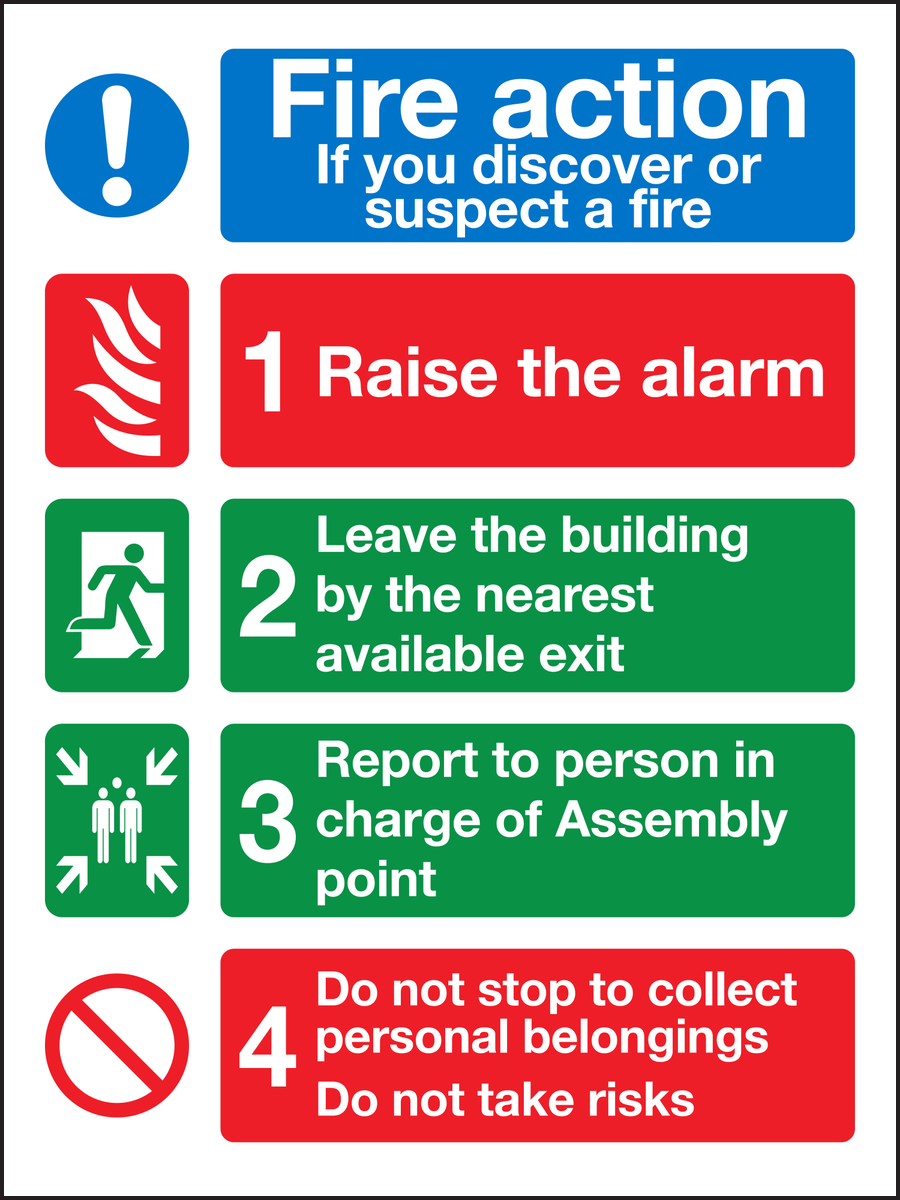
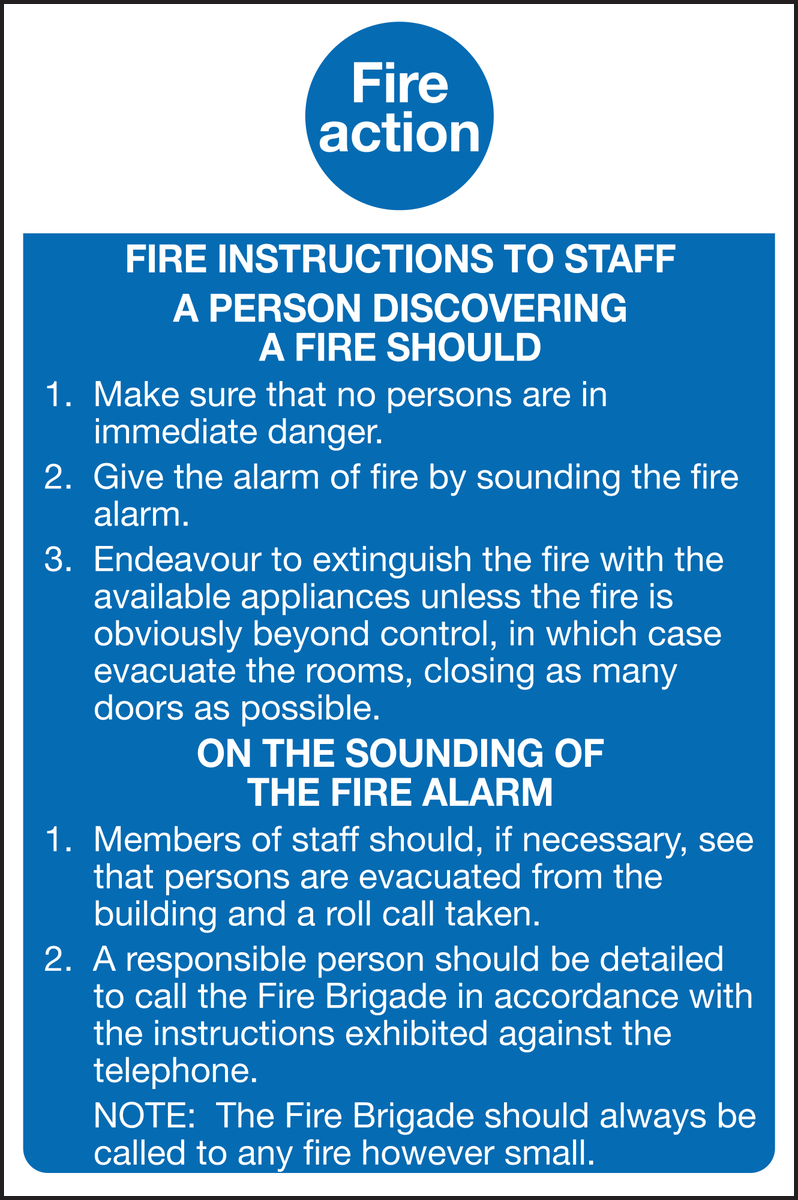
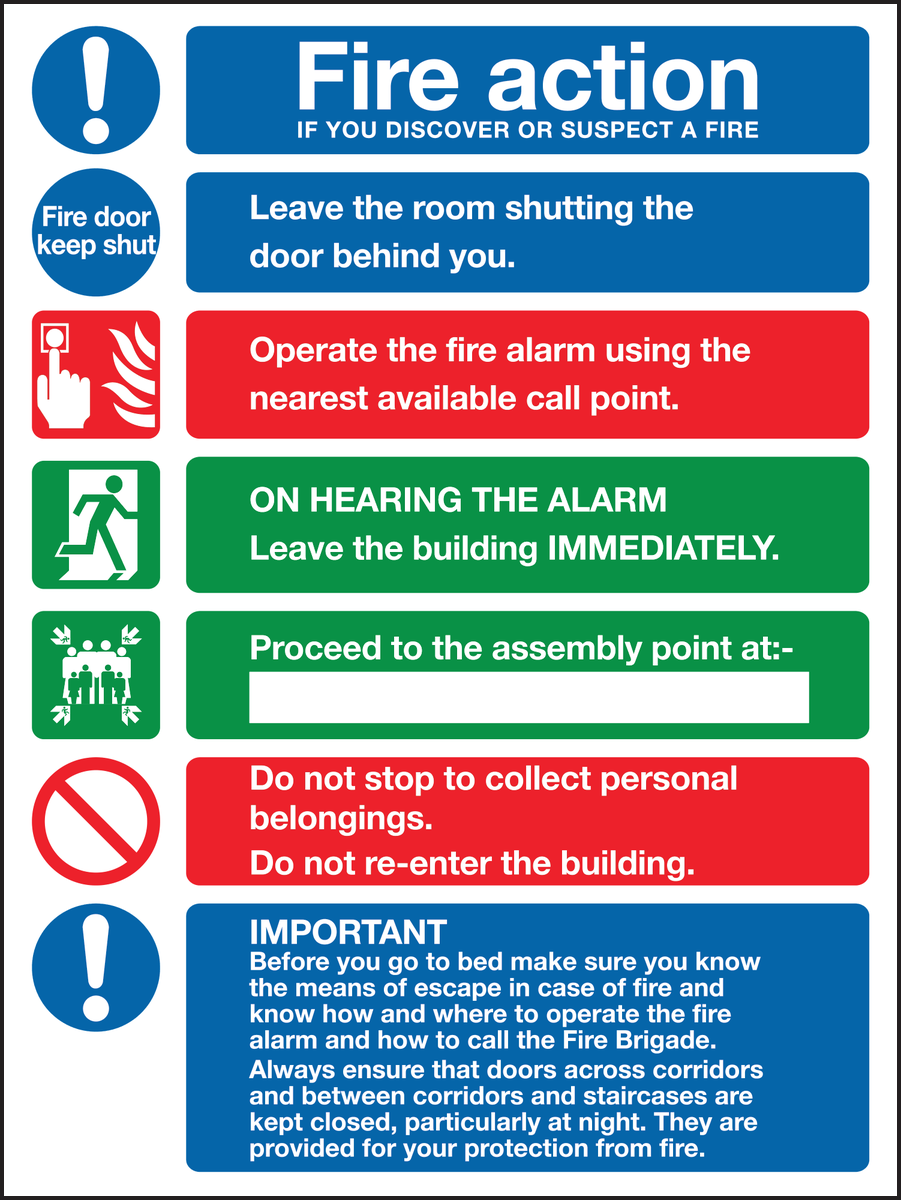
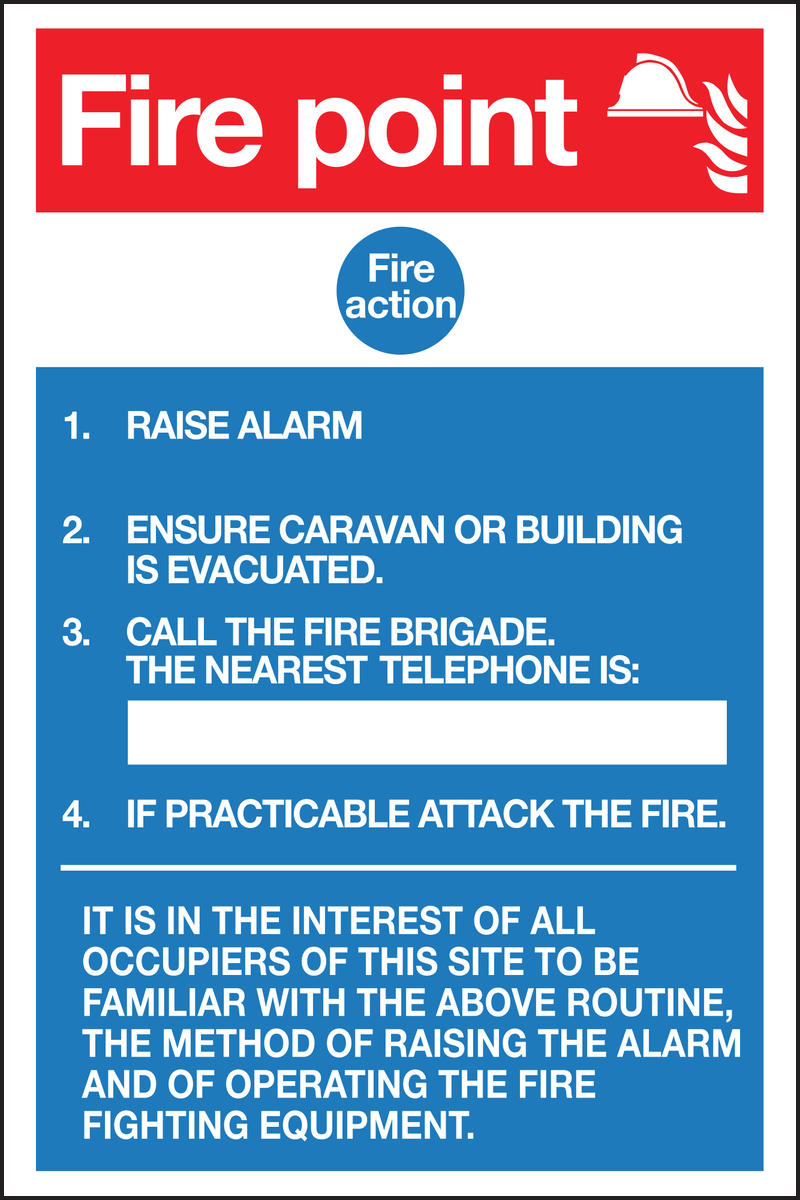
Fire Instructions For Residential Care Premises Sign
Standards: M001 (ISO)
Variant:
Size:
Material:
£ Inc. VAT

| 1 | 2+ | 5+ | 10+ | 20+ |
|---|---|---|---|---|
| 0.00 | 0.00 | 0.00 | 0.00 | 0.00 |
| MS 317 C-2-SAV | 200mm x 300mm | Self Adhesive Vinyl Sticker |
3.94 (inc VAT 4.73) |
3.74 (inc VAT 4.49) |
3.55 (inc VAT 4.26) |
3.35 (inc VAT 4.02) |
3.23 (inc VAT 3.88) |
| MS 317 C-2-RP | 200mm x 300mm | 1mm Rigid |
6.31 (inc VAT 7.57) |
5.99 (inc VAT 7.19) |
5.68 (inc VAT 6.82) |
5.36 (inc VAT 6.43) |
5.17 (inc VAT 6.20) |
| MS 317 C-2-PL | 200mm x 300mm | Rigid Photoluminescent |
6.53 (inc VAT 7.84) |
6.20 (inc VAT 7.44) |
5.88 (inc VAT 7.06) |
5.55 (inc VAT 6.66) |
5.35 (inc VAT 6.42) |
| Code | Size | Material | 1 | 2 - 4 | 5 - 9 | 10 - 19 | 20+ |
|---|
|
200mm x 300mm Self Adhesive Vinyl Sticker |
3.94 (inc VAT 4.73) |
3.74 (inc VAT 4.49) |
3.55 (inc VAT 4.26) |
3.35 (inc VAT 4.02) |
3.23 (inc VAT 3.88) |
|
200mm x 300mm 1mm Rigid |
6.31 (inc VAT 7.57) |
5.99 (inc VAT 7.19) |
5.68 (inc VAT 6.82) |
5.36 (inc VAT 6.43) |
5.17 (inc VAT 6.20) |
|
200mm x 300mm Rigid Photoluminescent |
6.53 (inc VAT 7.84) |
6.20 (inc VAT 7.44) |
5.88 (inc VAT 7.06) |
5.55 (inc VAT 6.66) |
5.35 (inc VAT 6.42) |
| Size / Material | 1 | 2+ | 5+ | 10+ | 20+ |
|---|
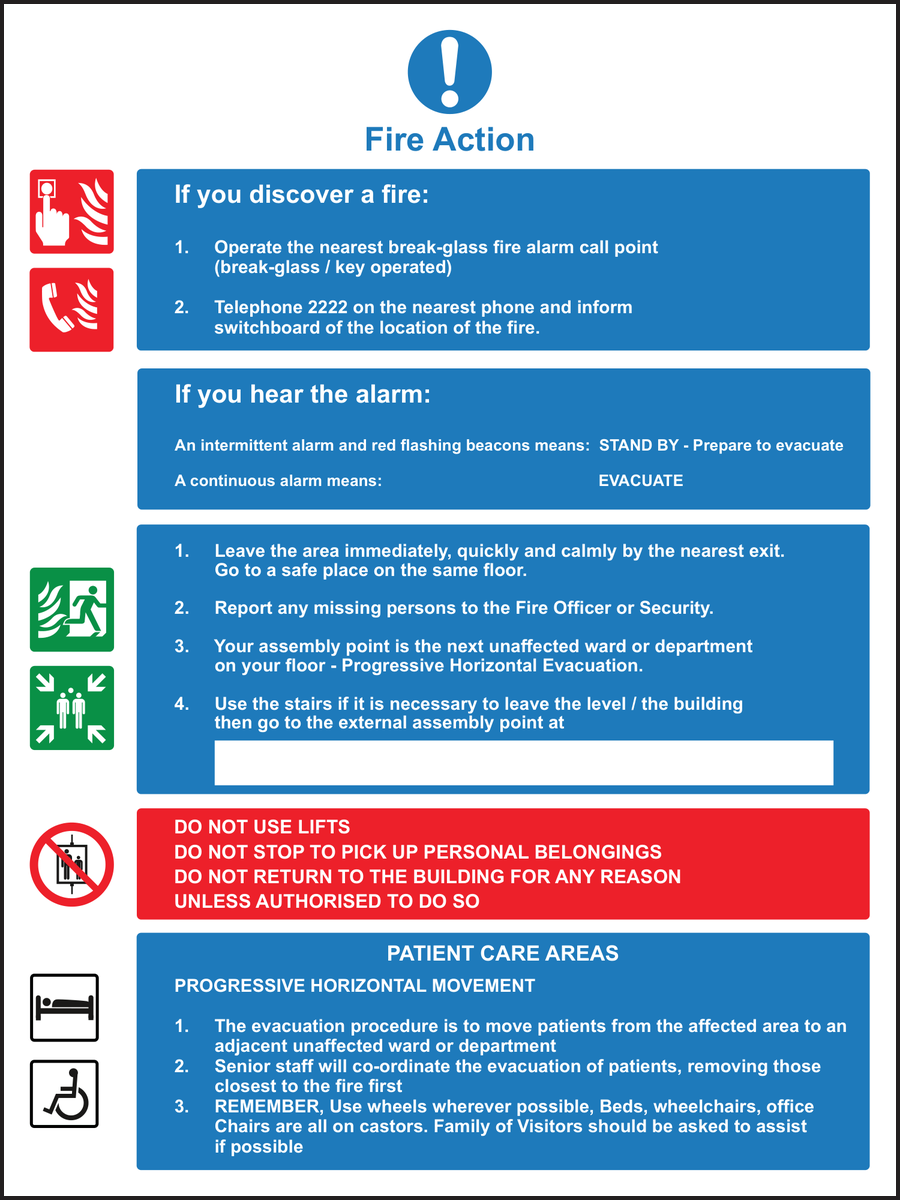
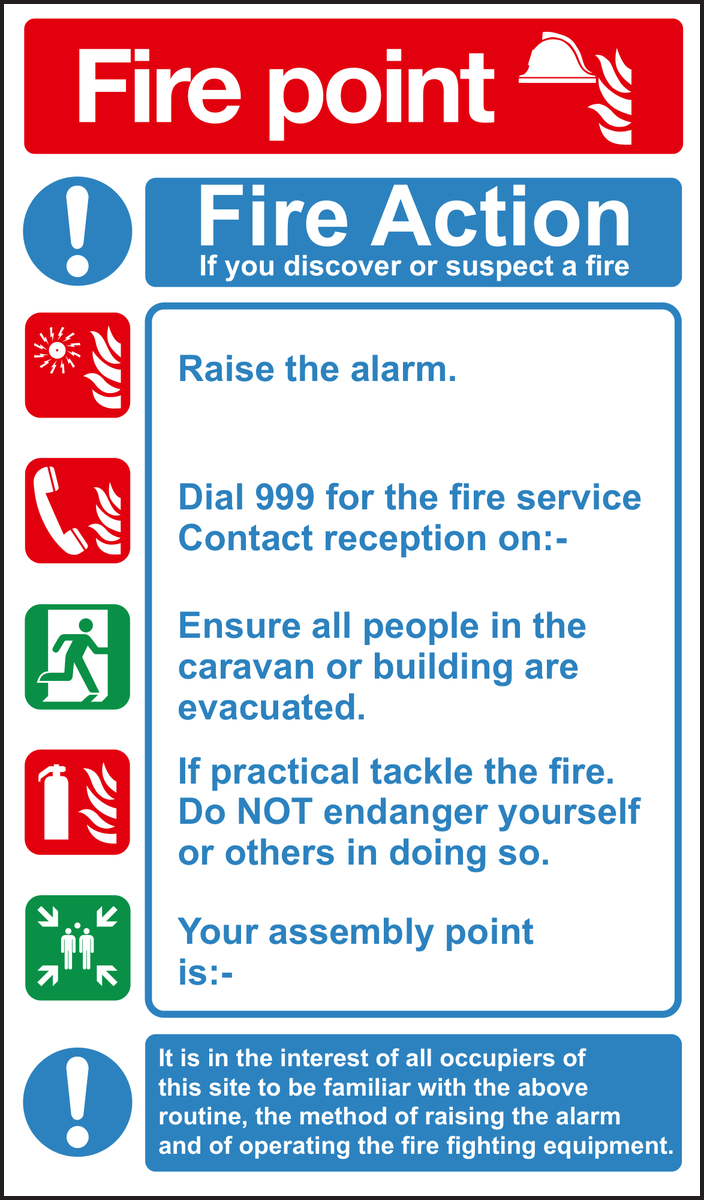
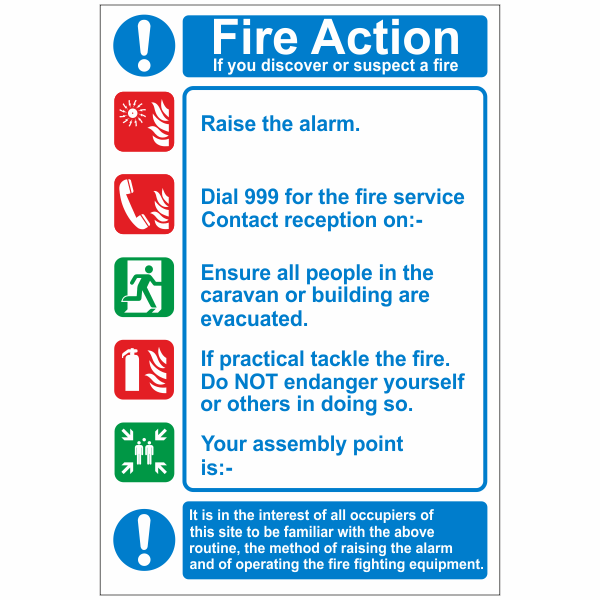
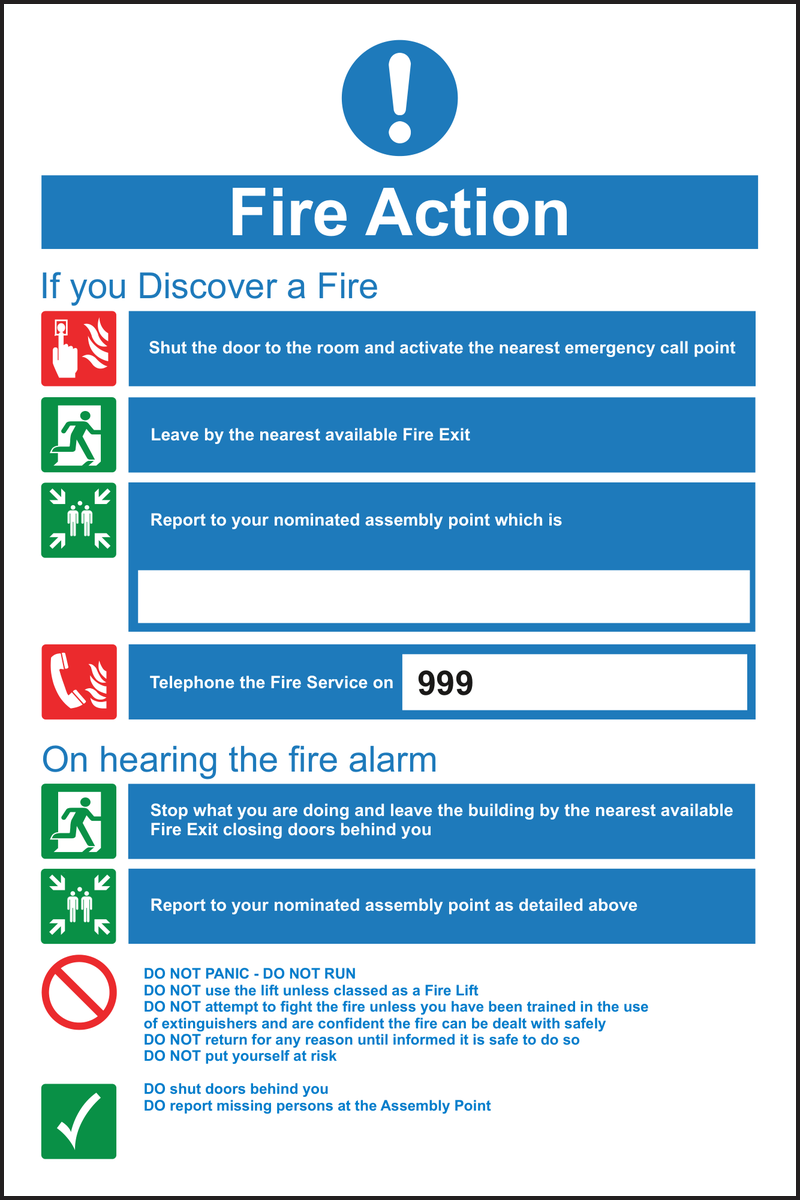
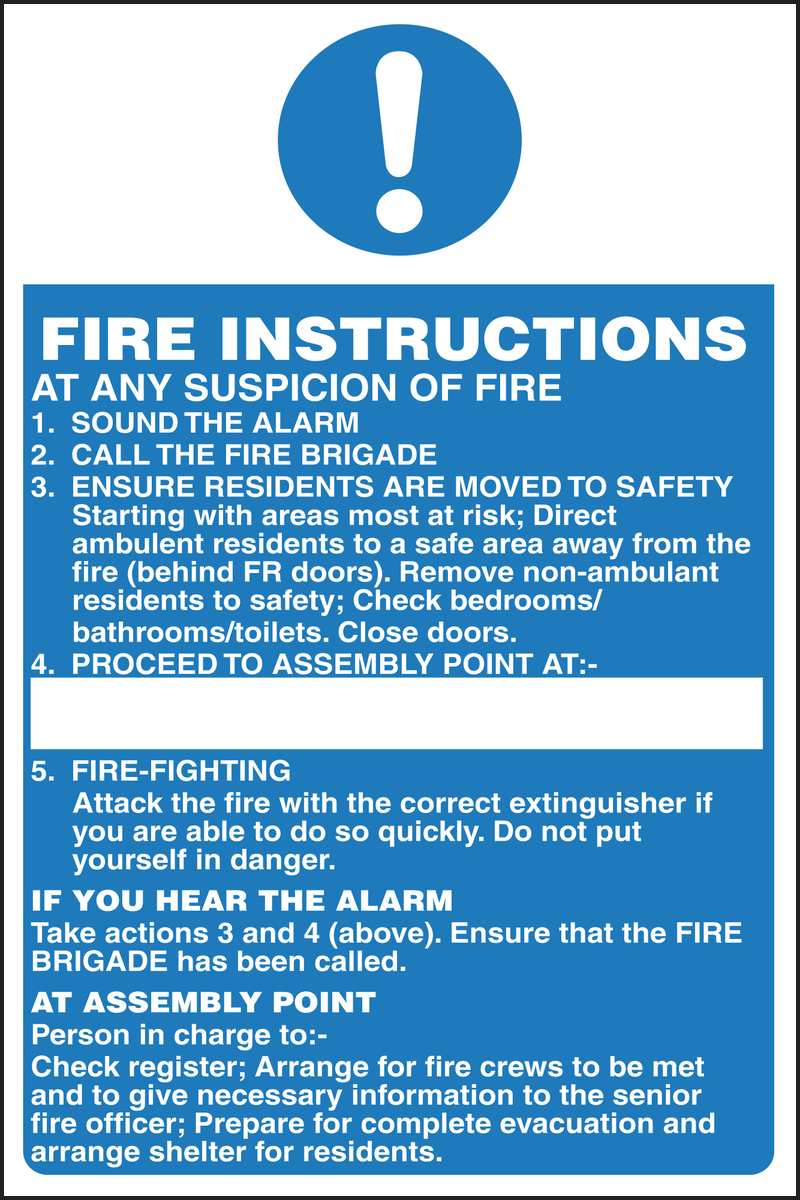
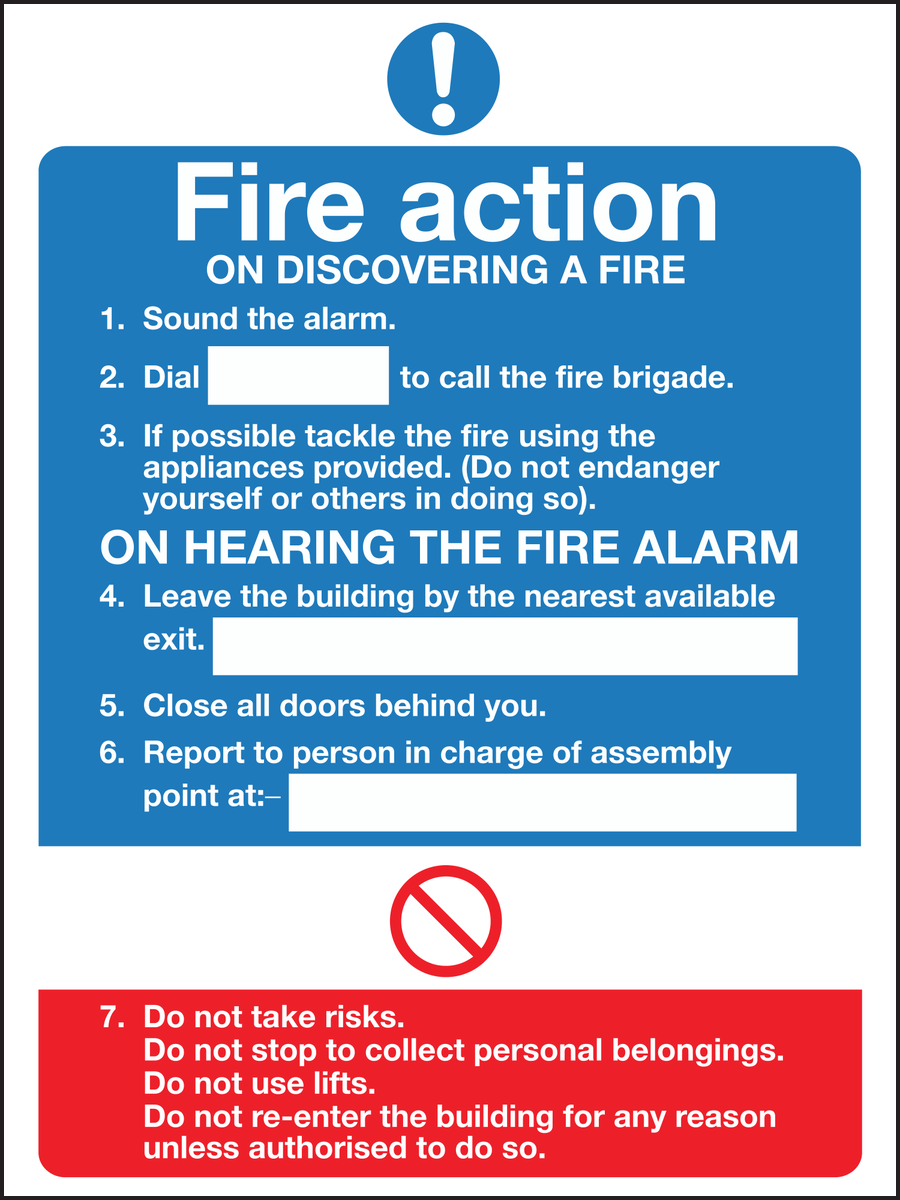
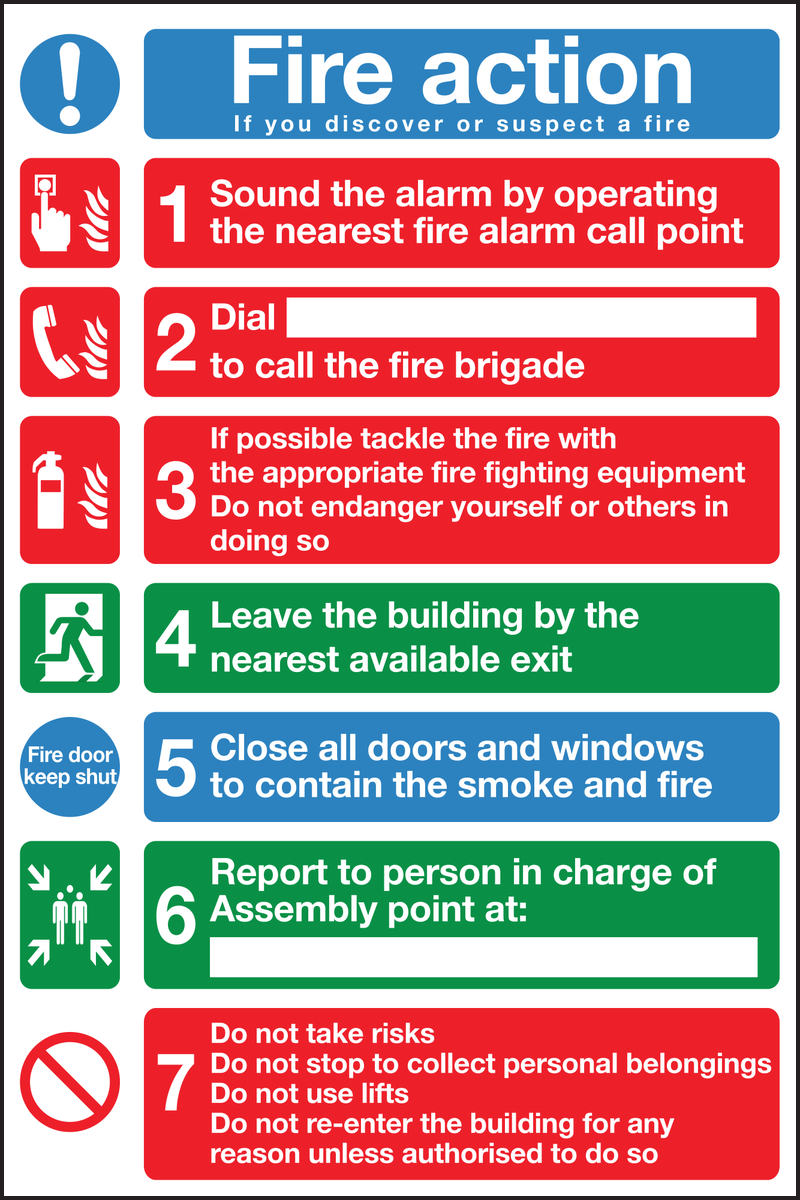
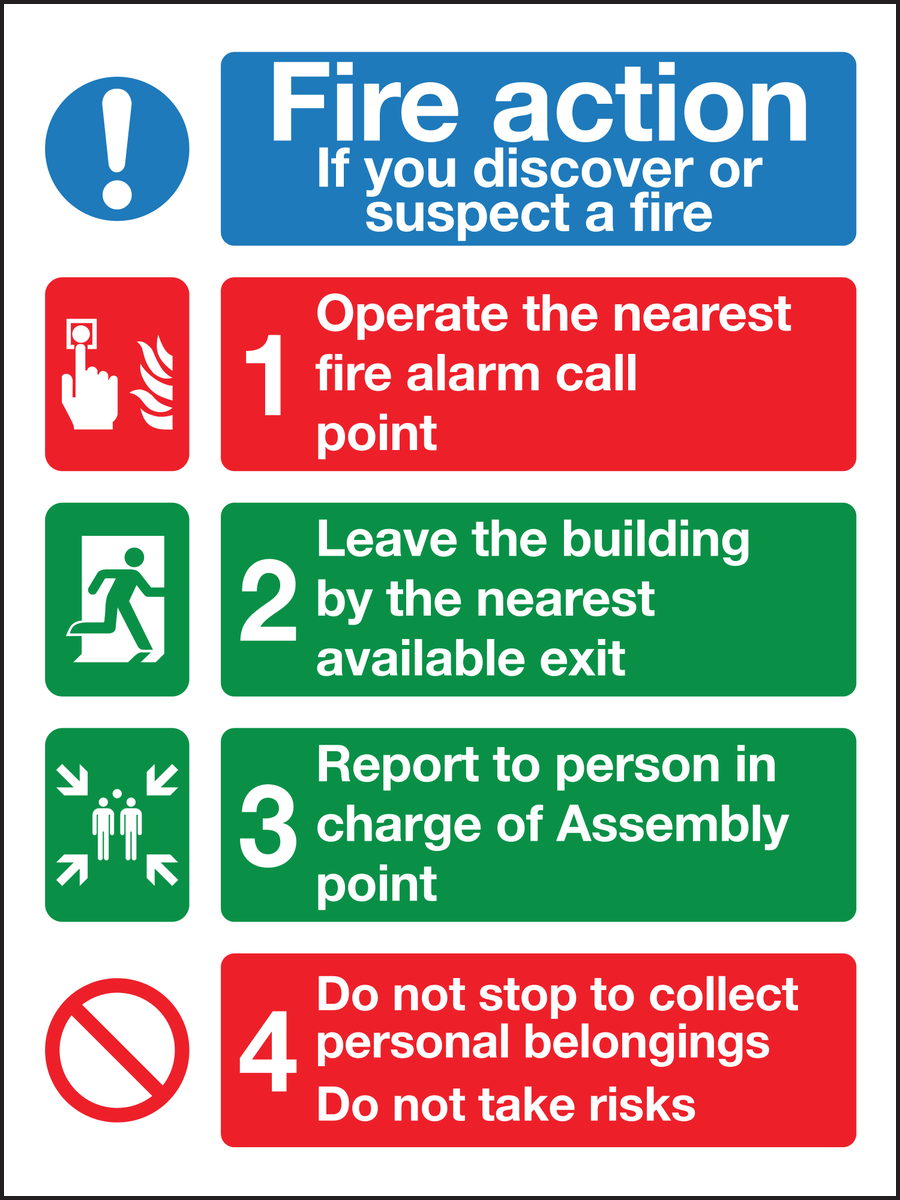
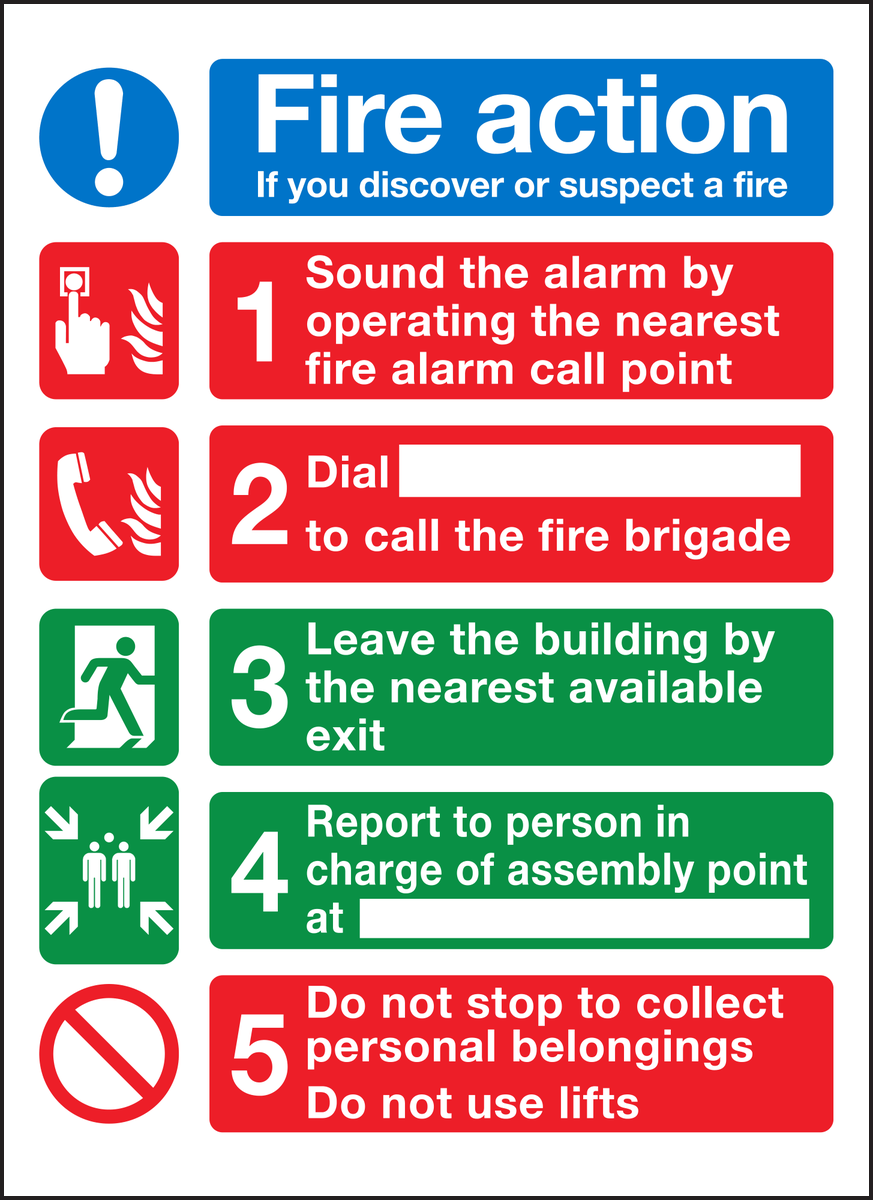
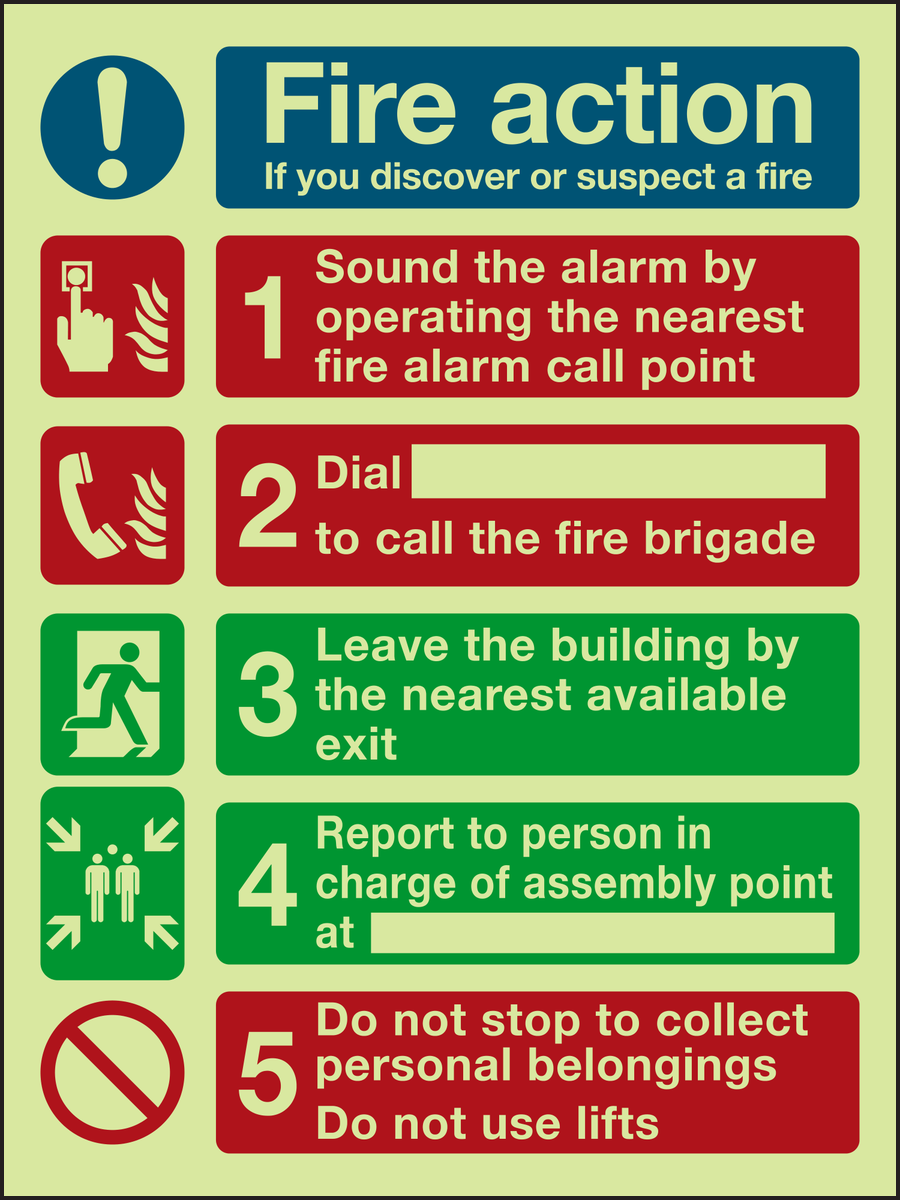
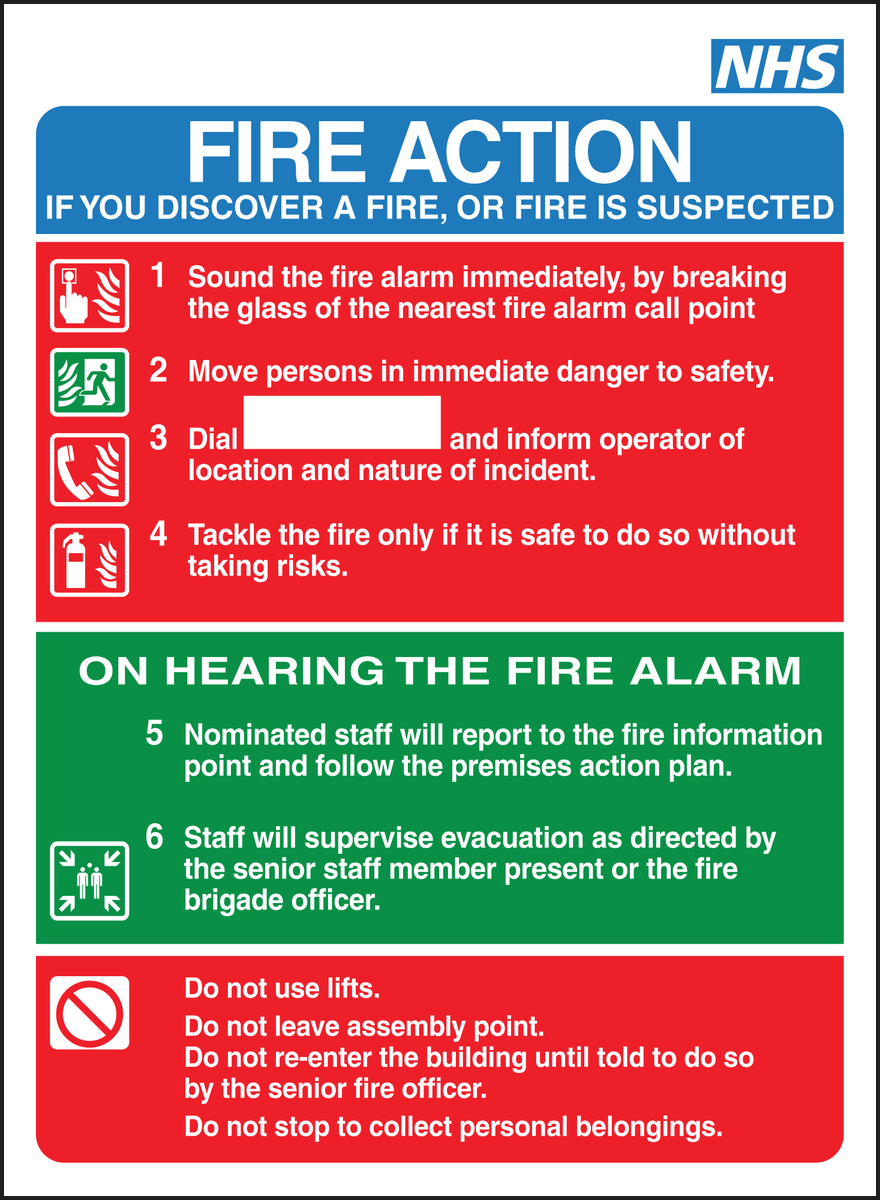
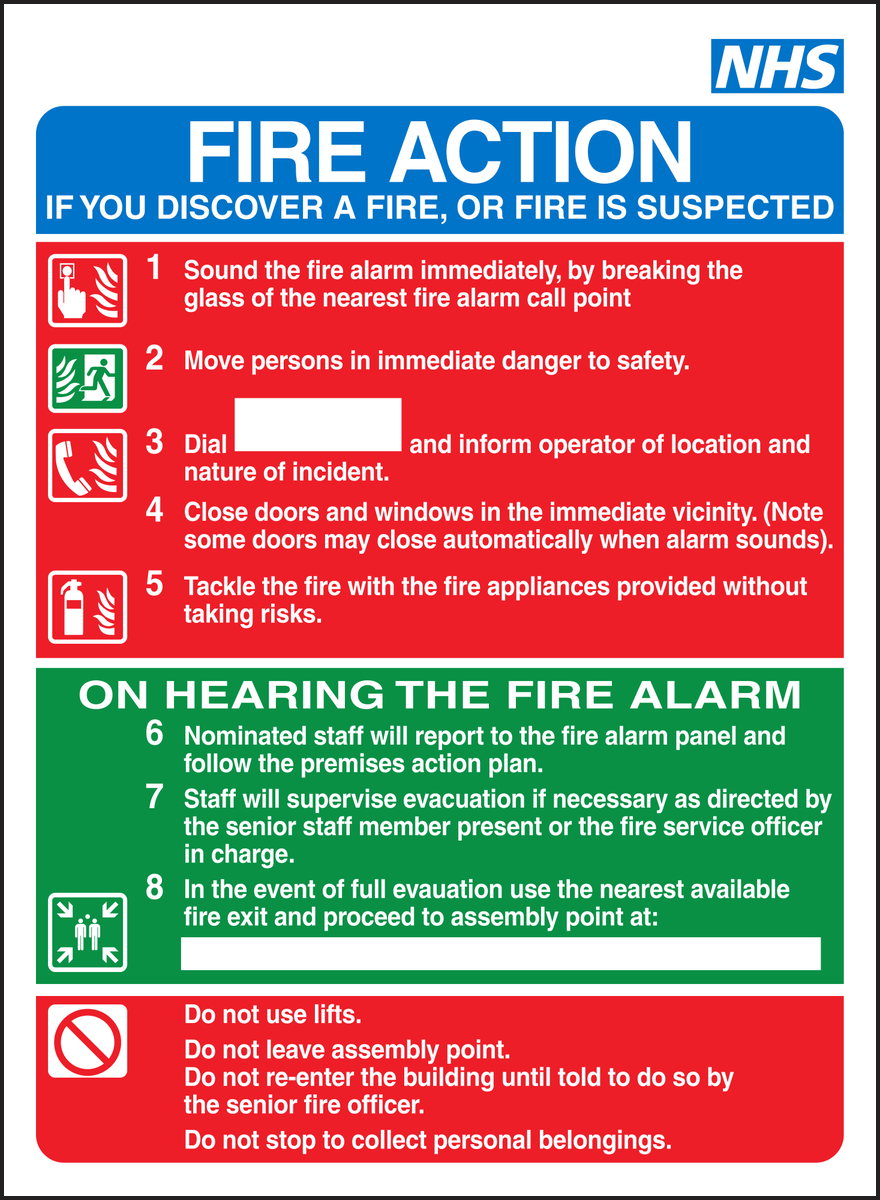
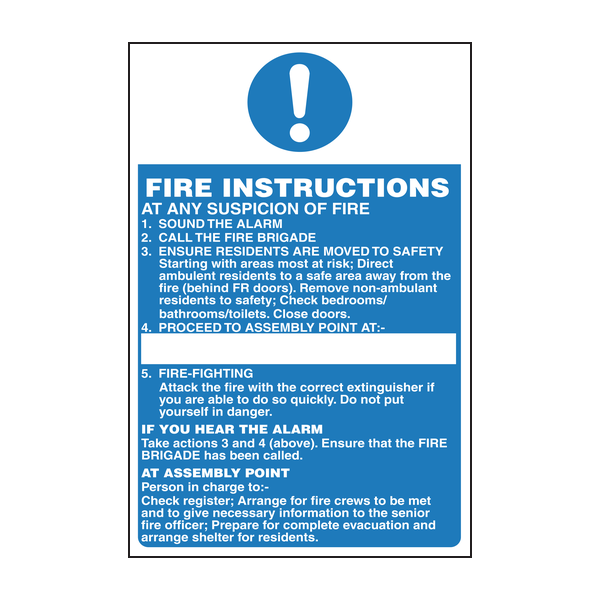
This Fire Instructions For Residential Care Premises Sign provides comprehensive emergency guidance for staff responsible for residents who may require assistance during a fire. The instructions cover raising the alarm, calling the Fire Brigade, moving residents to safety, checking rooms, closing doors, proceeding to the assembly point, using firefighting equipment where appropriate and coordinating further action once staff and residents have reached a safe location.
The sign is particularly suited to care homes, residential homes, nursing homes and similar premises where some residents may have limited mobility or may be unable to evacuate independently. In these environments, staff require clear procedures that take account of both ambulant and non-ambulant residents.
The instruction At Any Suspicion Of Fire reinforces the importance of taking prompt action when there are indications that a fire may have started. Staff should not wait for visible flames before following the established emergency procedure where smoke, a burning smell, unusual heat or other evidence suggests a possible fire.
The first action is to sound the alarm. Promptly raising the alarm alerts other staff and occupants and allows the premises fire emergency procedures to begin as quickly as possible.
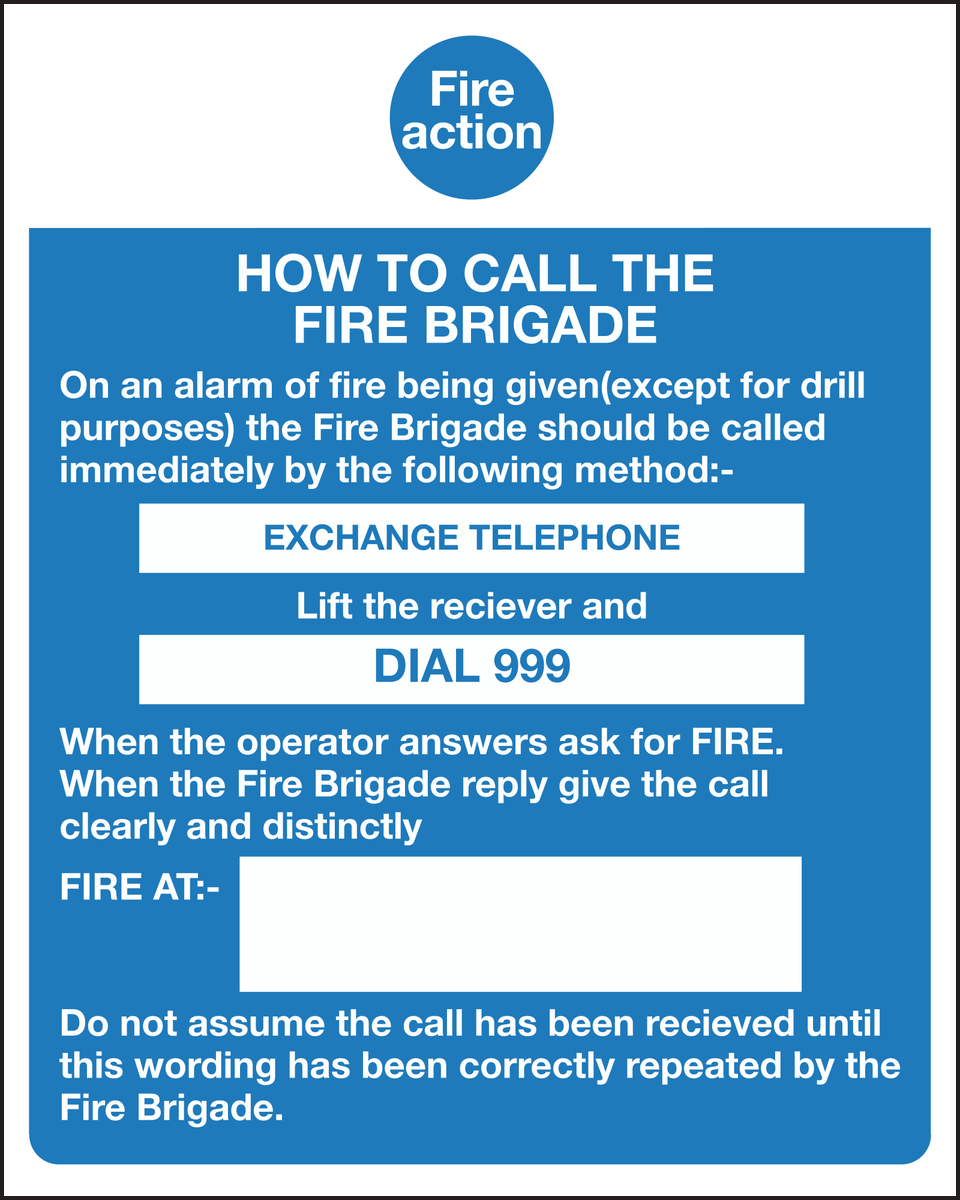
The second instruction requires the Fire Brigade to be called. Staff should understand the premises arrangements for contacting the Fire and Rescue Service and should ensure that responsibility for making the emergency call is clearly established.
The third instruction requires staff to ensure residents are moved to safety, beginning with areas considered most at risk. Ambulant residents are directed towards a safe area away from the fire and behind appropriate fire resisting doors, while non-ambulant residents are to be assisted or moved to safety in accordance with the premises evacuation arrangements.
The instructions to check bedrooms, bathrooms and toilets help remind staff that residents or other occupants may be located away from communal areas when an emergency occurs. Any such checks should only be carried out where they form part of the approved procedure and can be completed without placing staff at unnecessary risk.
Closing doors can help restrict the movement of fire and smoke and maintain the protection provided by fire resisting compartments. Doors should be closed where this can be achieved safely and without delaying the movement of residents away from danger.
Many residential care premises use evacuation strategies that involve initially moving residents horizontally from an affected area into another protected fire compartment. The exact procedure should be determined by the buildings fire strategy, compartmentation, staffing arrangements and the individual needs of residents.
The sign provides space for the designated assembly point to be entered. This information should be completed accurately so staff understand where they are expected to proceed when the emergency procedure requires evacuation to the assembly point.
The Fire-Fighting section advises that the fire may be attacked with the correct extinguisher where a person is able to do so quickly and safely. The sign also clearly states that staff should not put themselves in danger.
Portable firefighting equipment should only be used where the correct equipment is available, the person is capable of using it safely, the fire is sufficiently small to tackle and a clear means of escape remains available. Moving residents away from immediate danger and following the evacuation procedure should remain the priority.
If staff hear the alarm, the instructions direct them to carry out the relevant actions for moving residents to safety and proceeding according to the evacuation arrangements. They should also ensure that the Fire Brigade has been called rather than assuming that another person has already contacted the emergency services.
The At Assembly Point section provides additional instructions for the person in charge. These include checking the register, arranging for arriving fire crews to be met and ensuring that relevant information is provided to the senior fire officer.
Accurate information can assist the Fire and Rescue Service in understanding the situation on arrival. This may include information concerning the location of the fire, residents who may require assistance, anyone who is unaccounted for, significant hazards and relevant access or firefighting facilities.
The instructions also require the person in charge to prepare for complete evacuation and arrange suitable shelter for residents. This is particularly important in residential care environments because residents may be vulnerable to cold, weather conditions, stress or interruption to essential care if they need to remain outside the building for an extended period.
Evacuation arrangements should take account of individual residents who may need assistance because of mobility, sensory, cognitive or medical requirements. Appropriate staffing, evacuation aids and individual emergency arrangements should be established where required by the premises fire risk assessment and evacuation plan.
This Fire Instructions Sign should be positioned in locations where relevant members of staff can easily see and read the information. Suitable positions may include staff offices, nurses stations, duty rooms, reception areas, communal areas and other locations identified within the premises fire safety arrangements.
The wording on this sign should only be used where it accurately reflects the approved fire strategy and evacuation procedures for the particular premises. Residential care buildings can have different compartmentation, staffing levels, resident needs and evacuation strategies, so generic instructions should not override a site specific fire safety plan.
The sign can form part of a wider fire safety signage system alongside Fire Exit, Fire Alarm Call Point, Fire Door Keep Shut, Fire Extinguisher, Fire Assembly Point and other emergency information signs used throughout residential care premises.
Fire instruction signage should complement rather than replace a suitable fire risk assessment, documented emergency plan, staff fire safety training, evacuation drills, effective compartmentation, maintained fire doors, fire detection and alarm systems, evacuation equipment and appropriate arrangements for residents who require assistance.
Manufactured from durable, high quality materials with excellent print clarity and visibility, this Fire Instructions For Residential Care Premises Sign provides a professional and long lasting solution for communicating detailed fire emergency procedures and helping staff understand their responsibilities for protecting and evacuating residents during a fire.
Materials available for this product

Self Adhesive Vinyl Sticker
- Description:
A self adhesive vinyl plus other stuff in here too
- Thickness:
- 95 micron
- Fixing Options:
- Self Adhesive

1mm Rigid
- Description:
1mm Rigid PVC plastic full descritption
- Thickness:
- 900 micron
- Fixing Options:
- Can be screwed or glued

Rigid Photoluminescent
- Description:
- Rigid Photoluminescent (GITD) Glow in the dark
- Thickness:
- 1mm
- Fixing Options:
*indicates your currently selected material