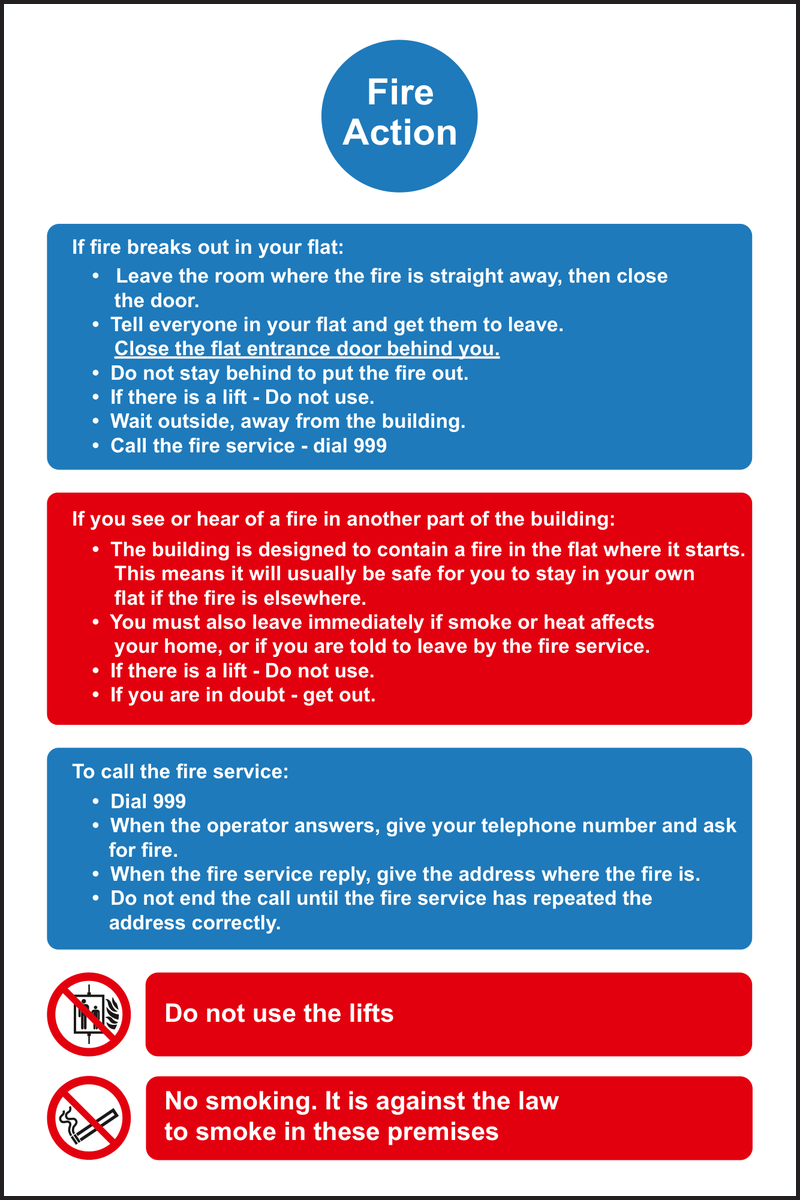
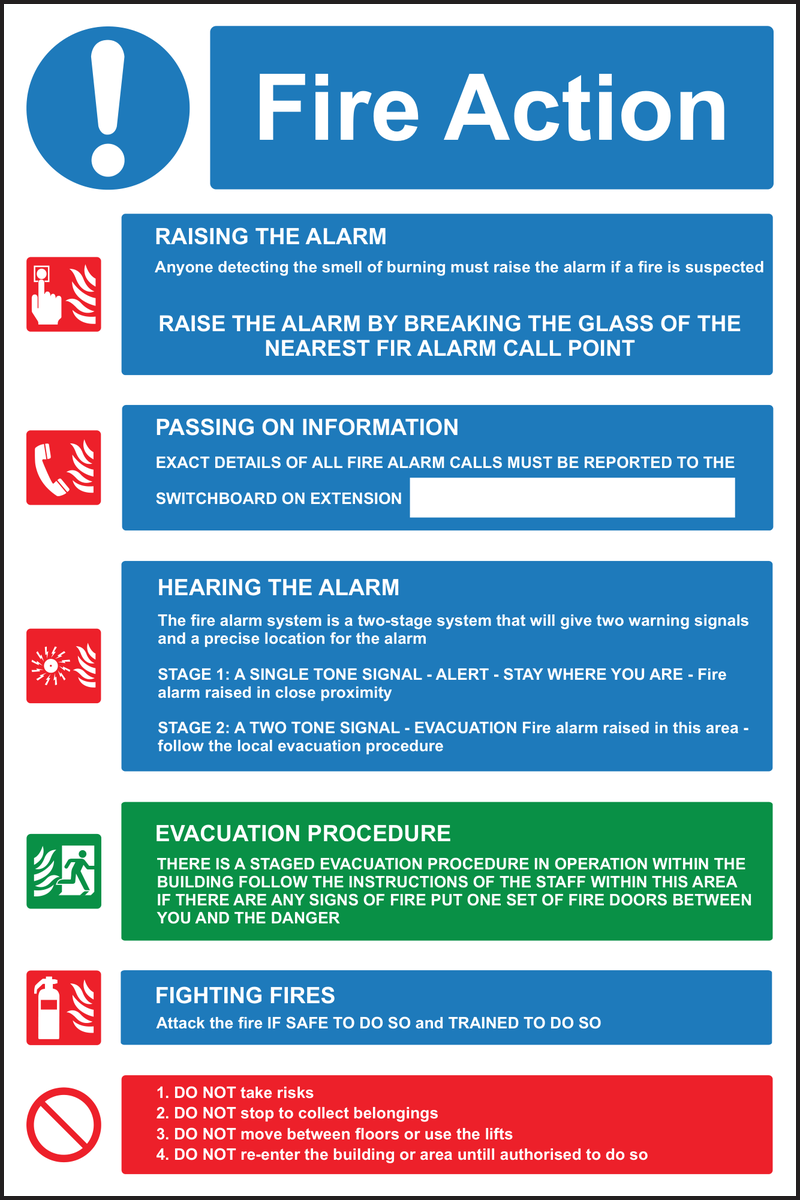
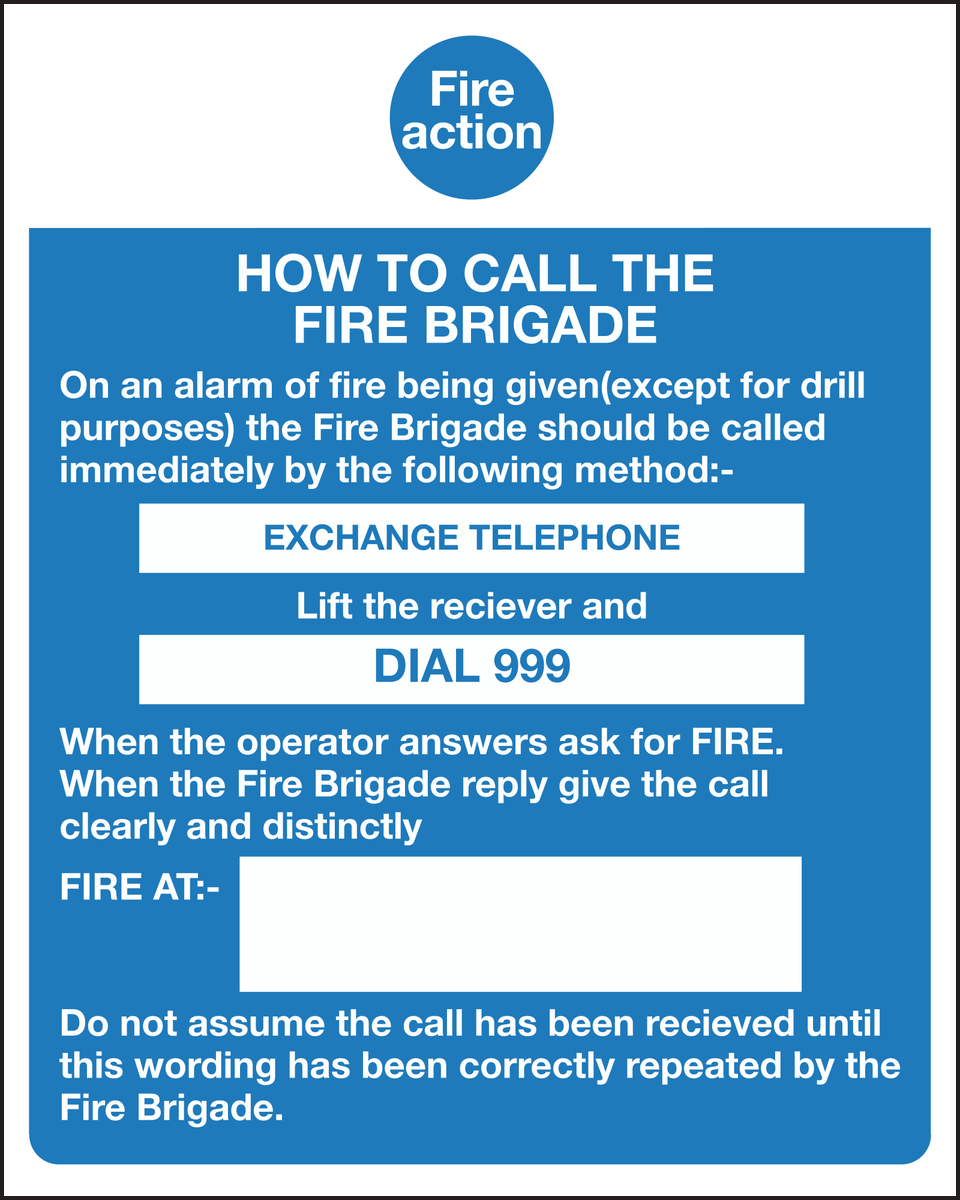
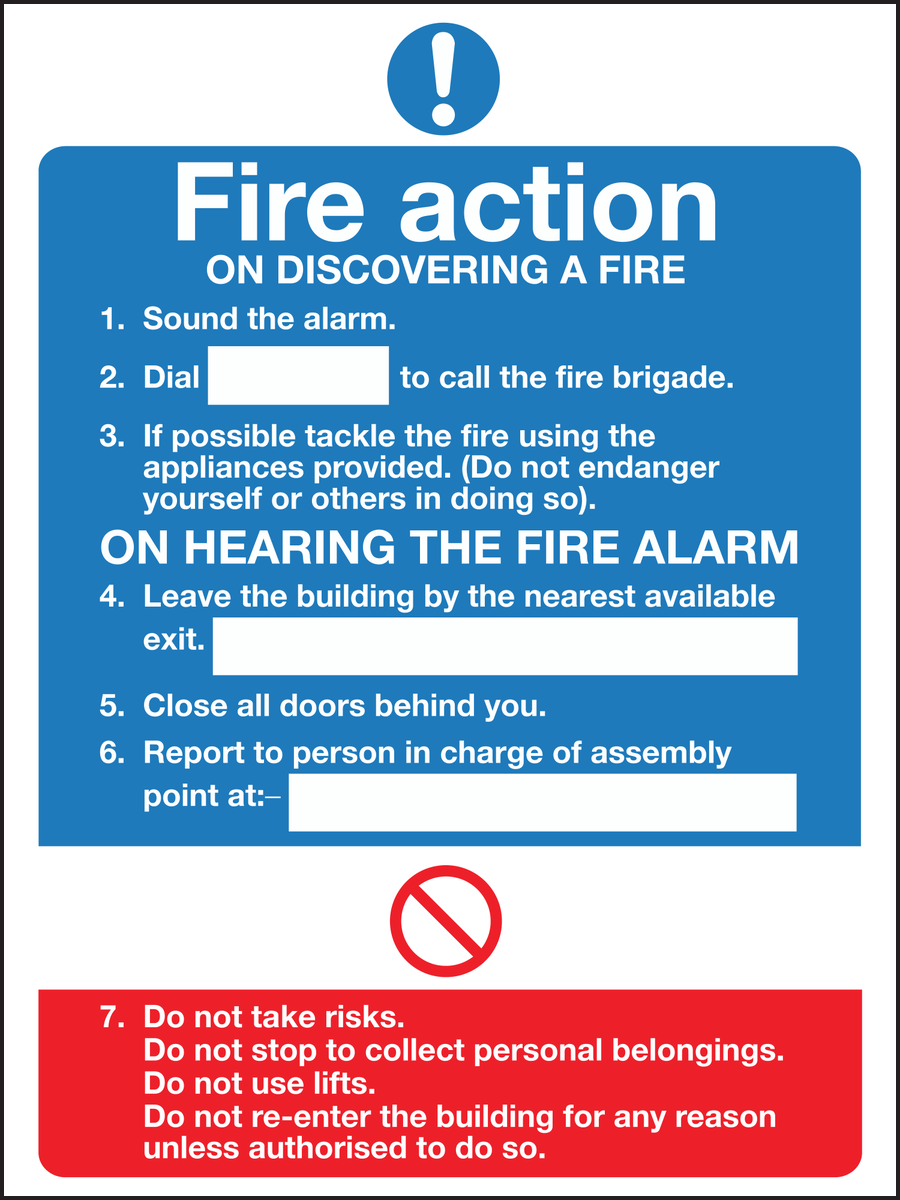
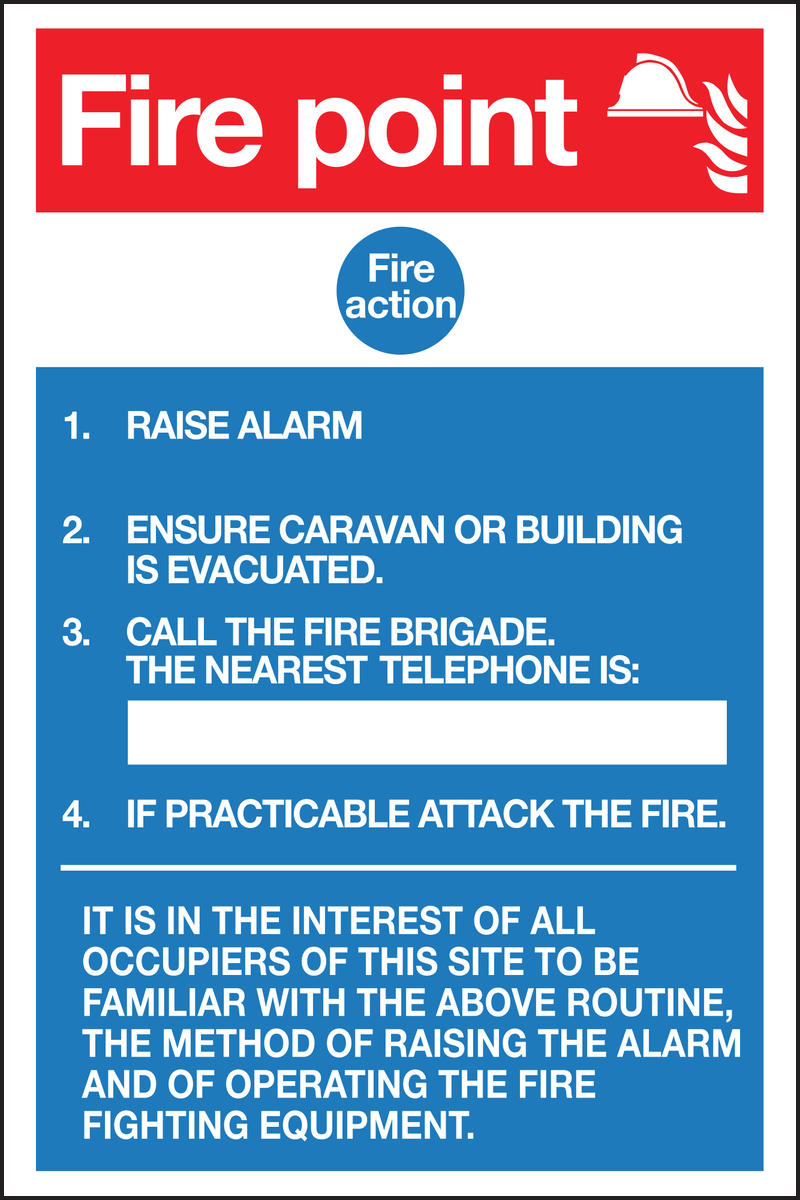
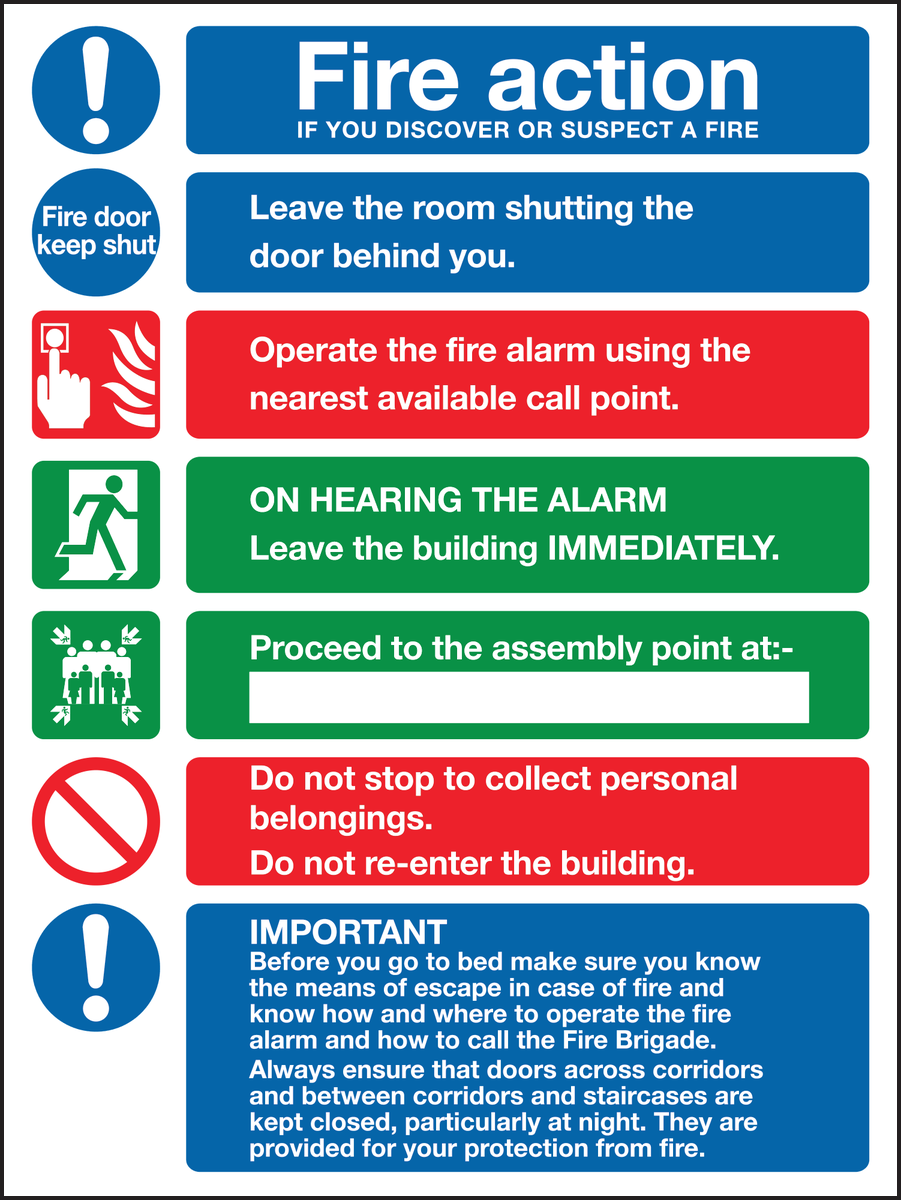
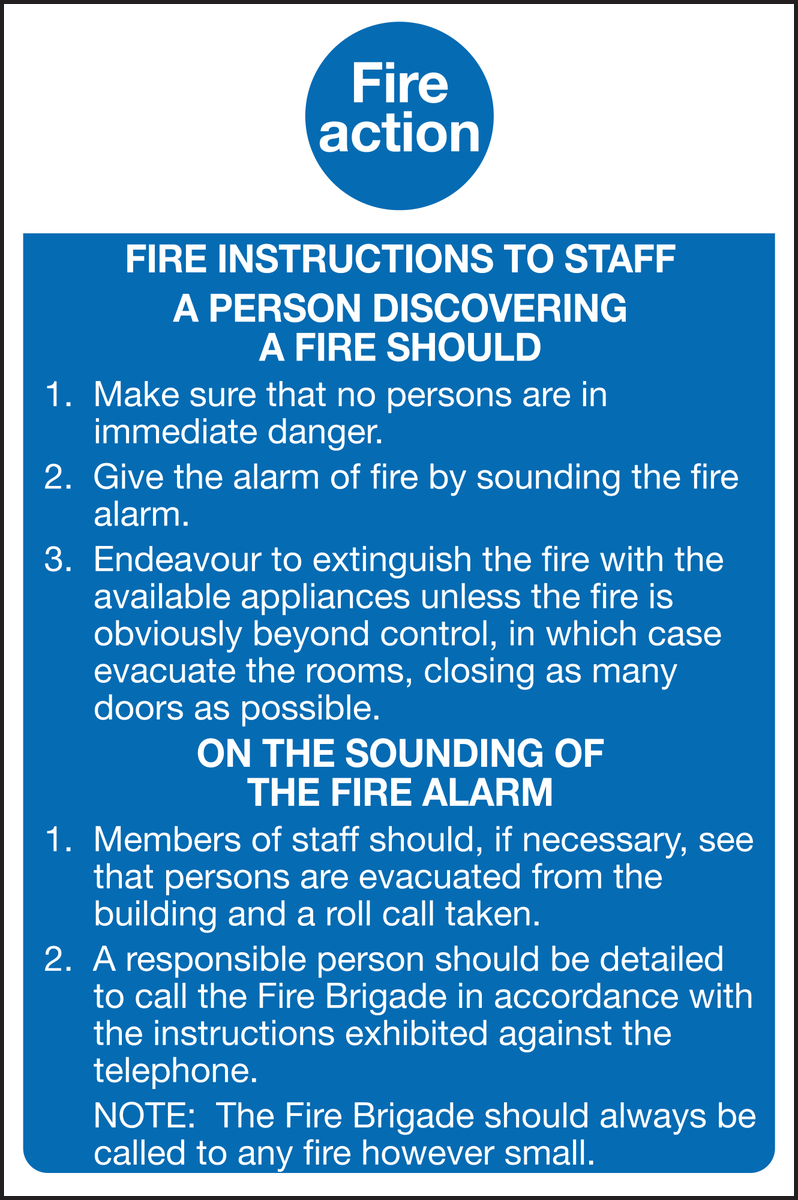
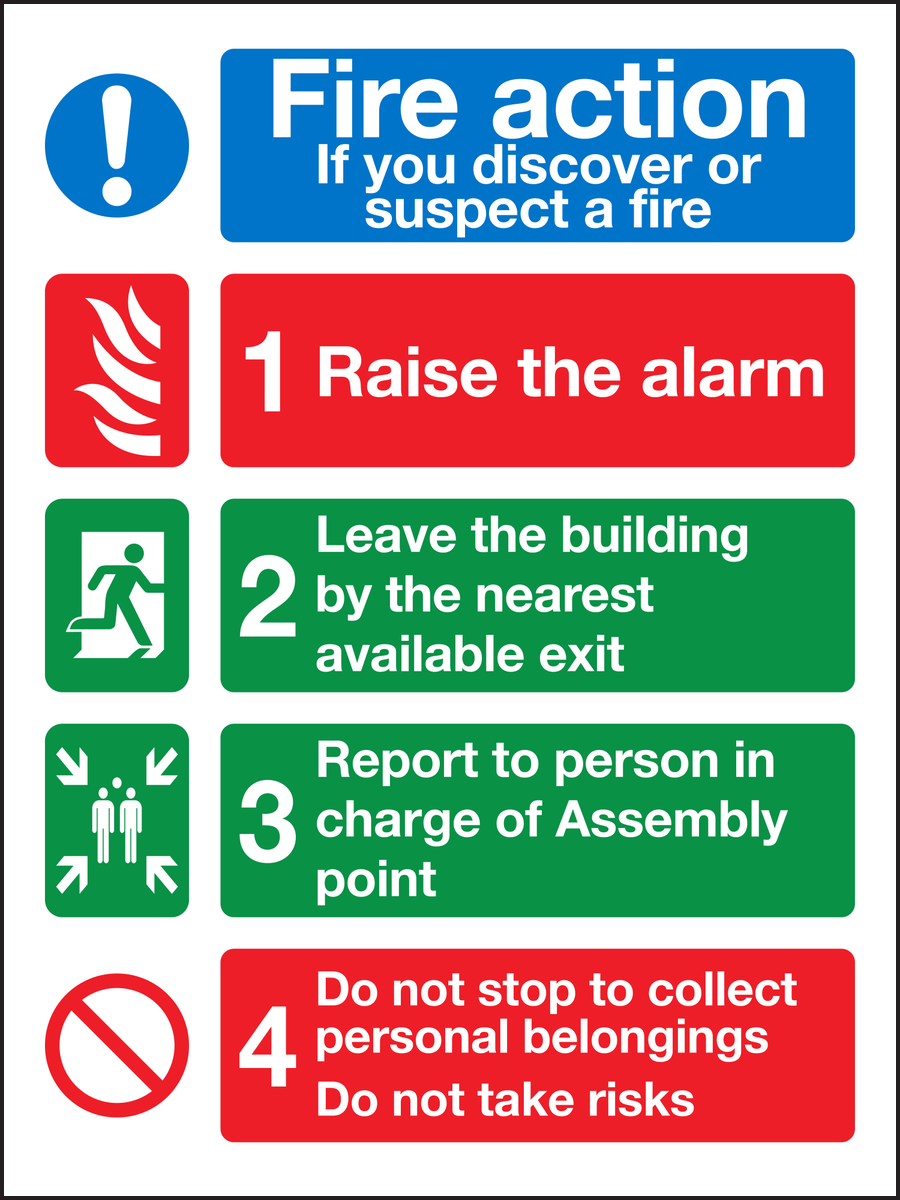
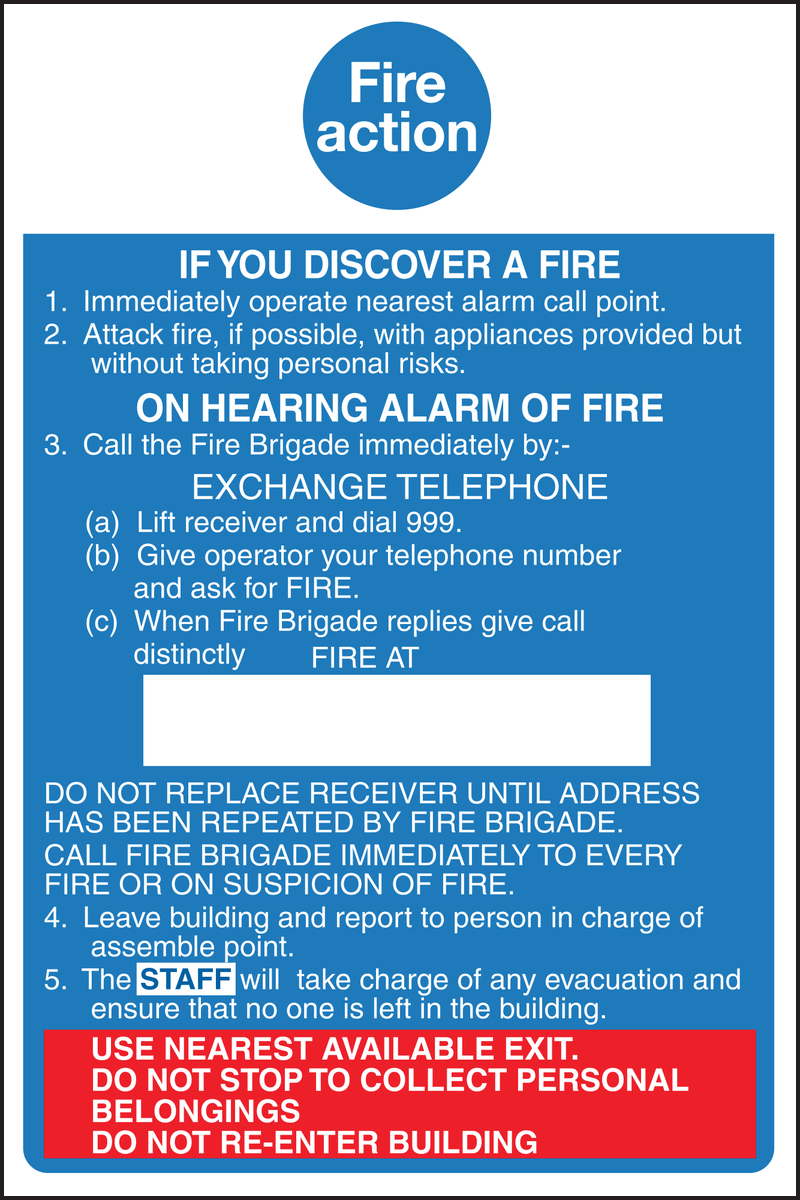
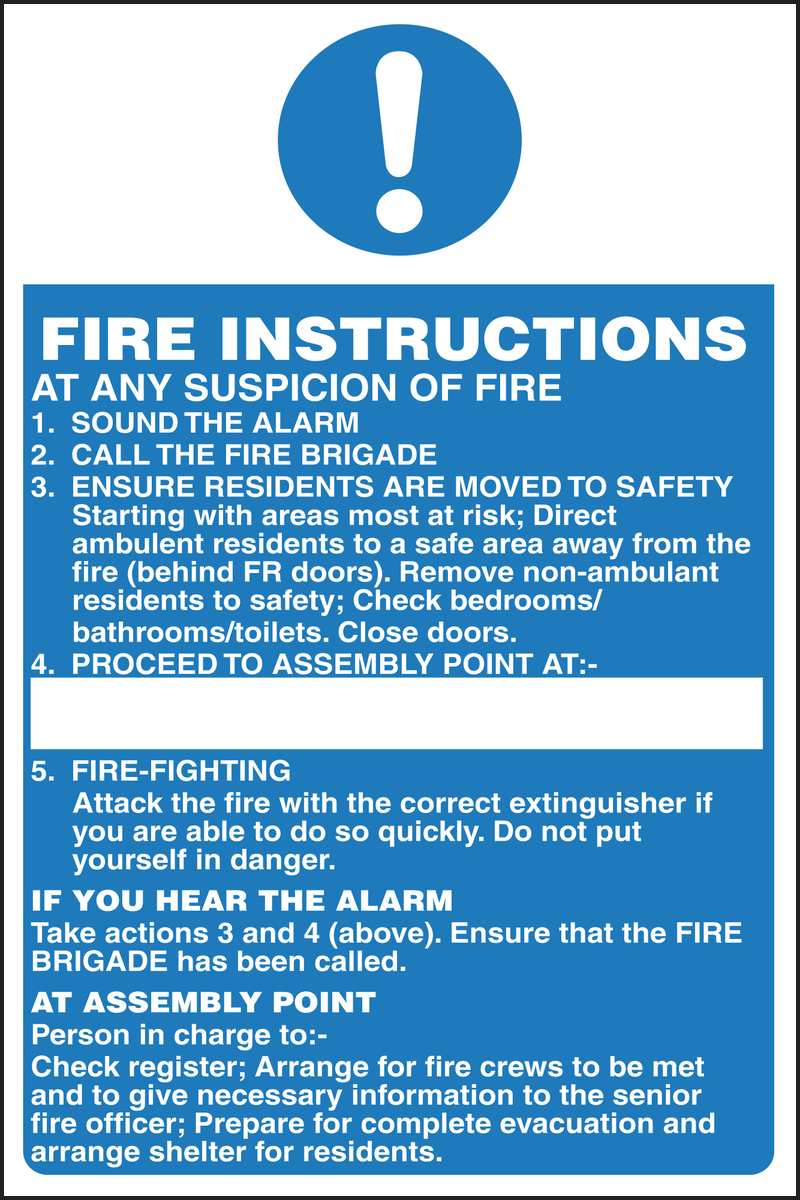
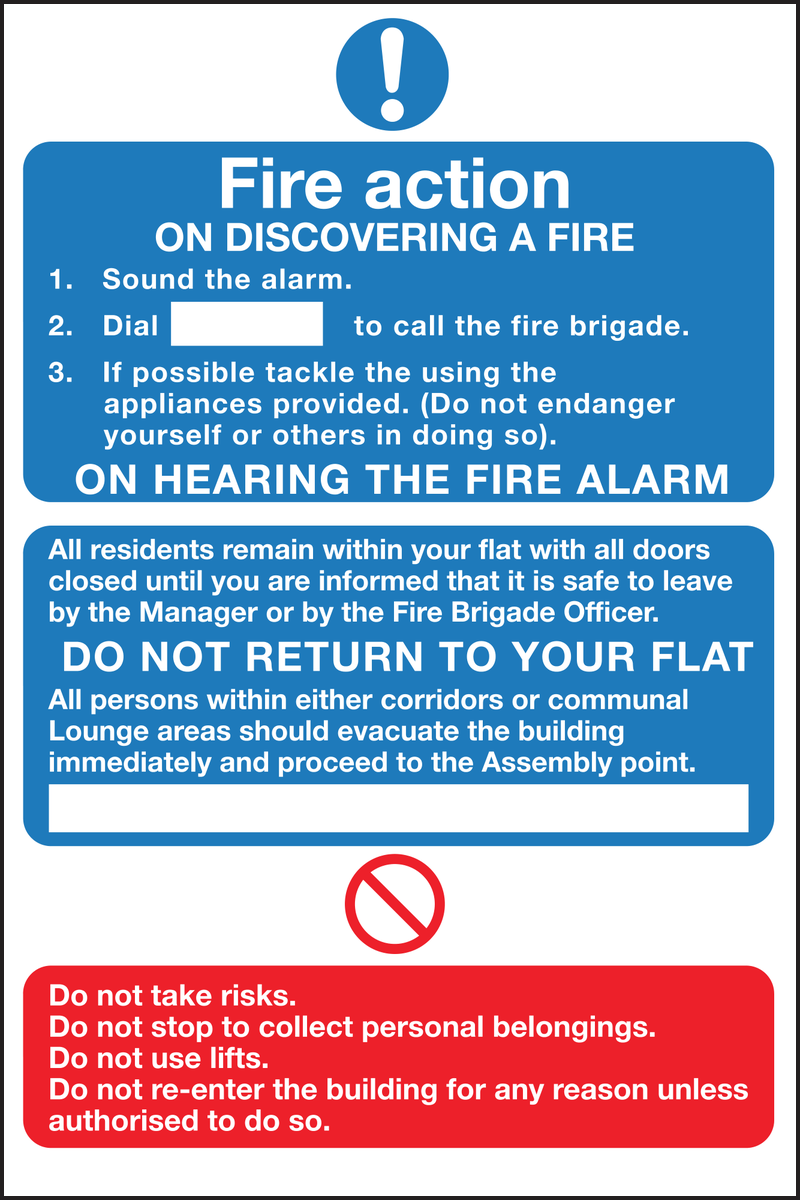
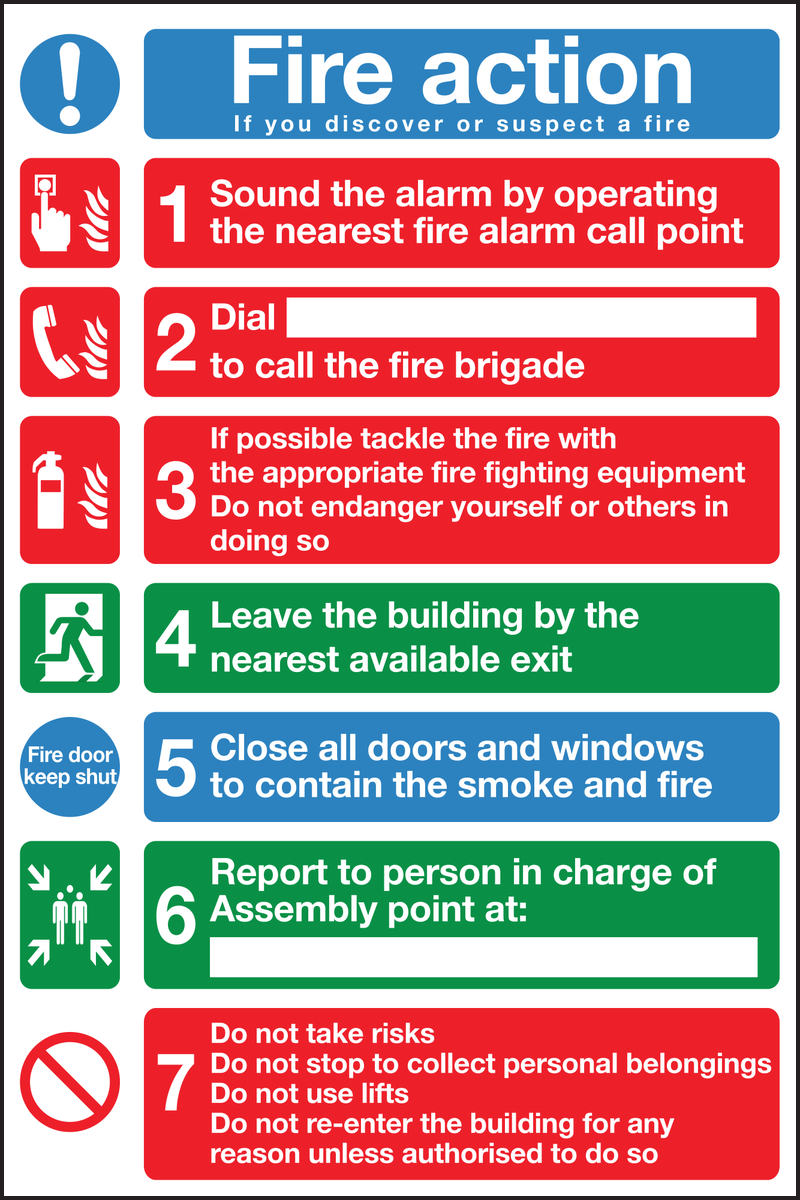
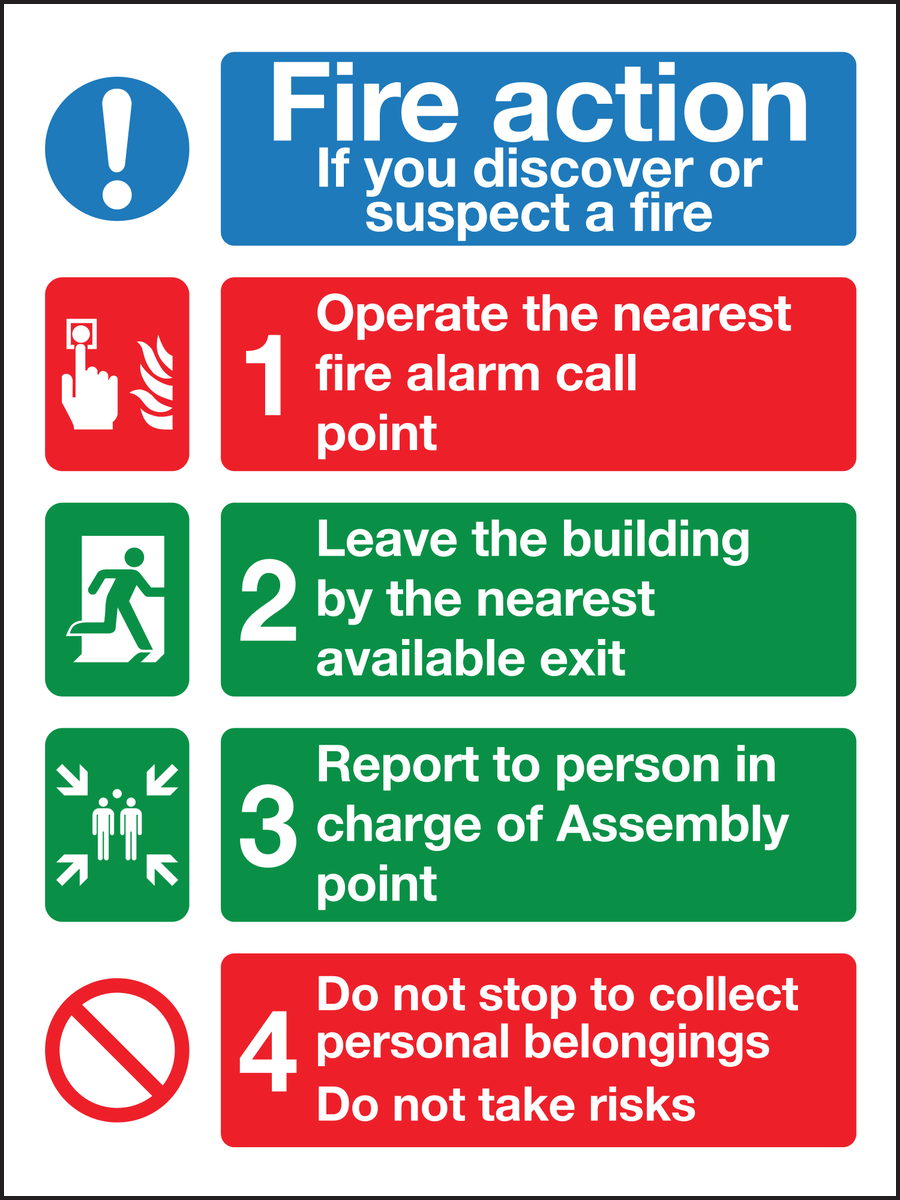
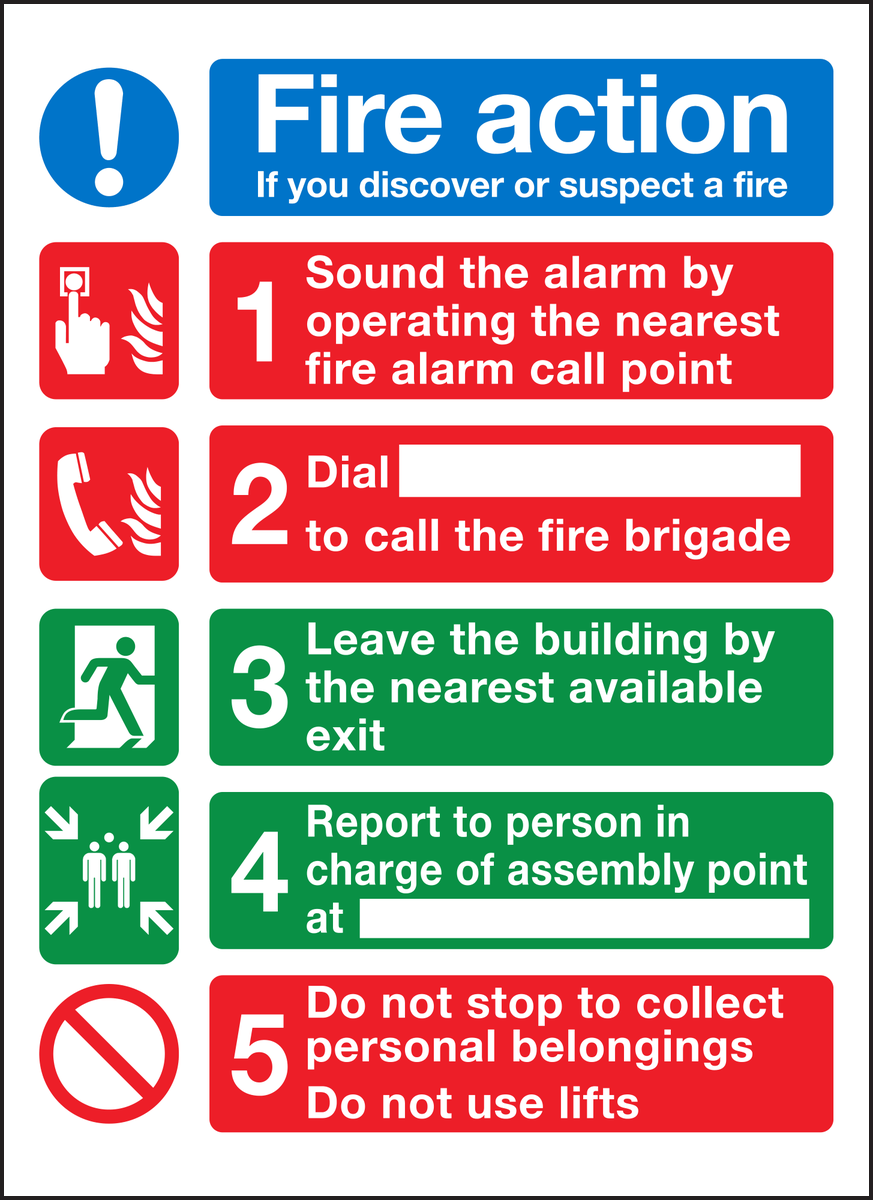
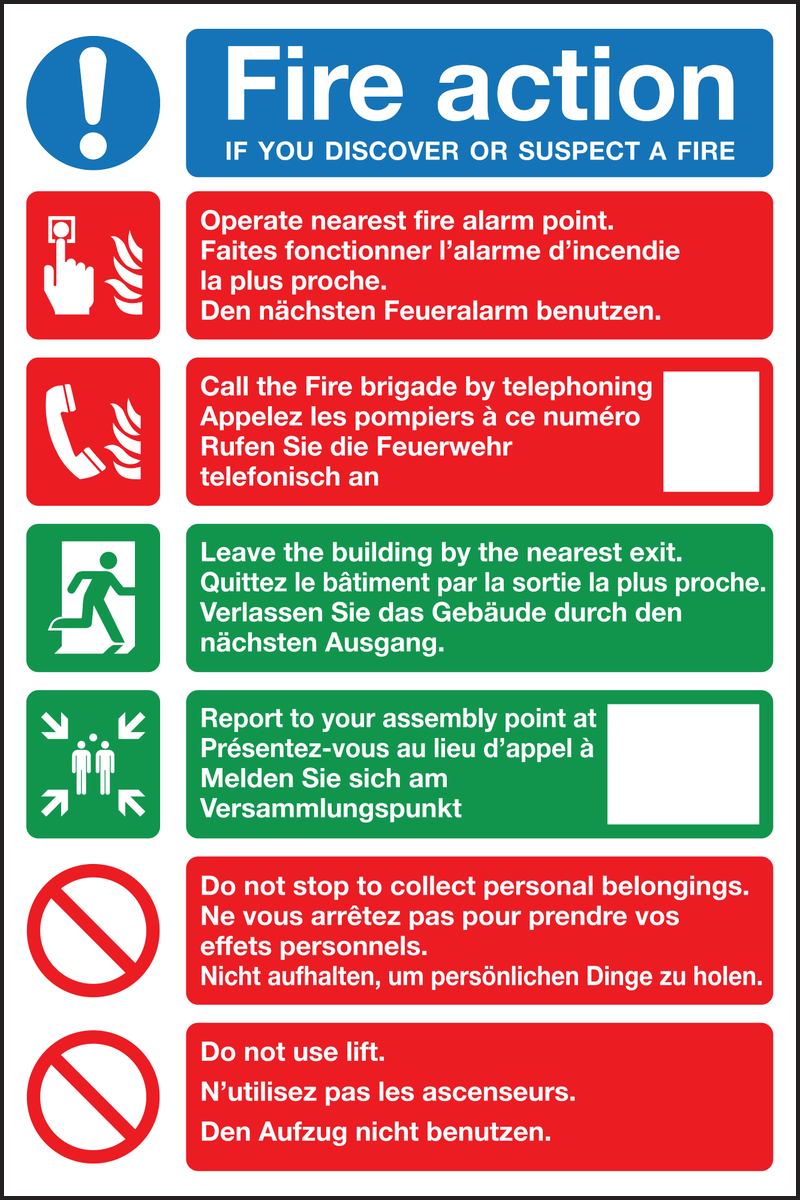
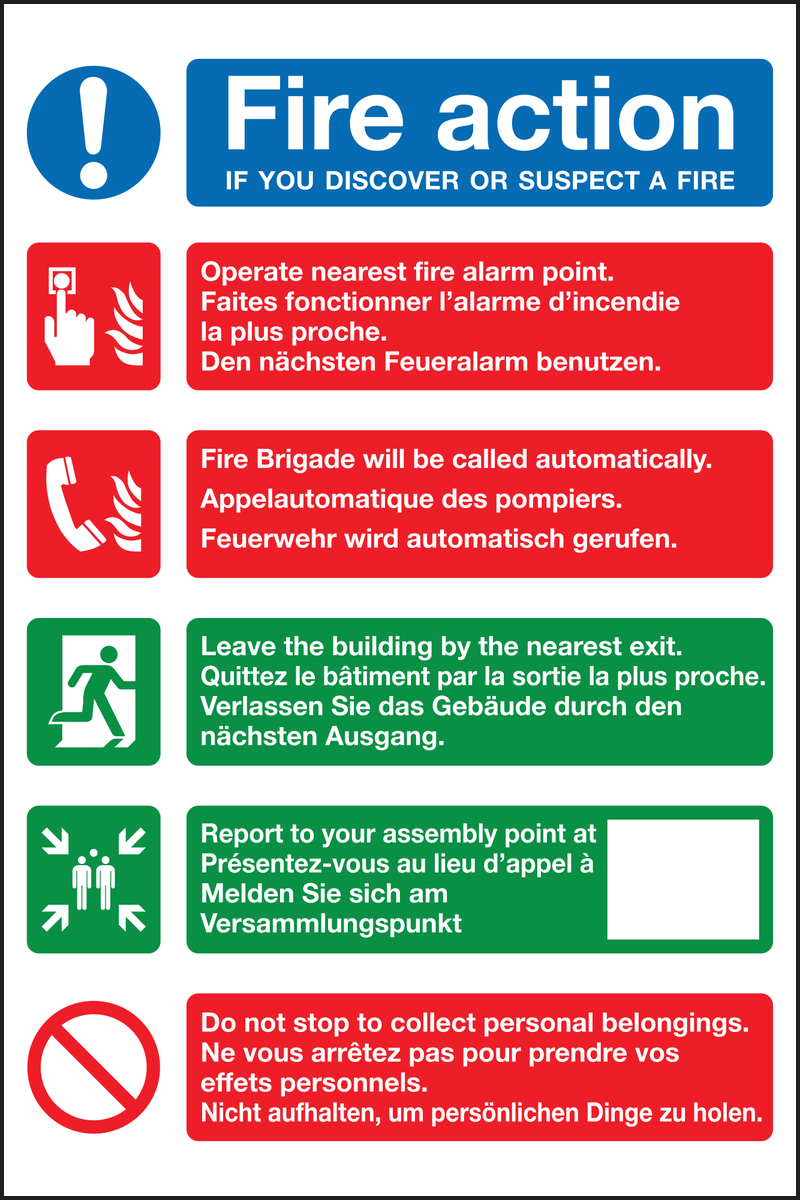
Fire action if you discover a fire or fire is suspected sign
Standards: E002 (ISO) E007 (ISO) F001 (ISO) F005 (ISO) F006 (ISO) P001 (ISO)
Variant:
Size:
Material:
£ Inc. VAT

| 1 | 2+ | 5+ | 10+ | 20+ |
|---|---|---|---|---|
| 0.00 | 0.00 | 0.00 | 0.00 | 0.00 |
| NHS 60 B-77-SAV | 220mm x 300mm | Self Adhesive Vinyl Sticker |
4.38 (inc VAT 5.26) |
4.16 (inc VAT 4.99) |
3.94 (inc VAT 4.73) |
3.72 (inc VAT 4.46) |
3.59 (inc VAT 4.31) |
| NHS 60 B-77-RP | 220mm x 300mm | 1mm Rigid |
6.31 (inc VAT 7.57) |
5.99 (inc VAT 7.19) |
5.68 (inc VAT 6.82) |
5.36 (inc VAT 6.43) |
5.17 (inc VAT 6.20) |
| NHS 60 B-77-3M | 220mm x 300mm | 3mm Foamex |
7.99 (inc VAT 9.59) |
7.59 (inc VAT 9.11) |
7.19 (inc VAT 8.63) |
6.79 (inc VAT 8.15) |
6.55 (inc VAT 7.86) |
| NHS 60 B-77-None | 220mm x 300mm | Heavy Duty double Sided |
38.73 (inc VAT 46.48) |
36.79 (inc VAT 44.15) |
34.86 (inc VAT 41.83) |
32.92 (inc VAT 39.50) |
31.76 (inc VAT 38.11) |
| Code | Size | Material | 1 | 2 - 4 | 5 - 9 | 10 - 19 | 20+ |
|---|
|
220mm x 300mm Self Adhesive Vinyl Sticker |
4.38 (inc VAT 5.26) |
4.16 (inc VAT 4.99) |
3.94 (inc VAT 4.73) |
3.72 (inc VAT 4.46) |
3.59 (inc VAT 4.31) |
|
220mm x 300mm 1mm Rigid |
6.31 (inc VAT 7.57) |
5.99 (inc VAT 7.19) |
5.68 (inc VAT 6.82) |
5.36 (inc VAT 6.43) |
5.17 (inc VAT 6.20) |
|
220mm x 300mm 3mm Foamex |
7.99 (inc VAT 9.59) |
7.59 (inc VAT 9.11) |
7.19 (inc VAT 8.63) |
6.79 (inc VAT 8.15) |
6.55 (inc VAT 7.86) |
|
220mm x 300mm Heavy Duty double Sided |
38.73 (inc VAT 46.48) |
36.79 (inc VAT 44.15) |
34.86 (inc VAT 41.83) |
32.92 (inc VAT 39.50) |
31.76 (inc VAT 38.11) |
| Size / Material | 1 | 2+ | 5+ | 10+ | 20+ |
|---|
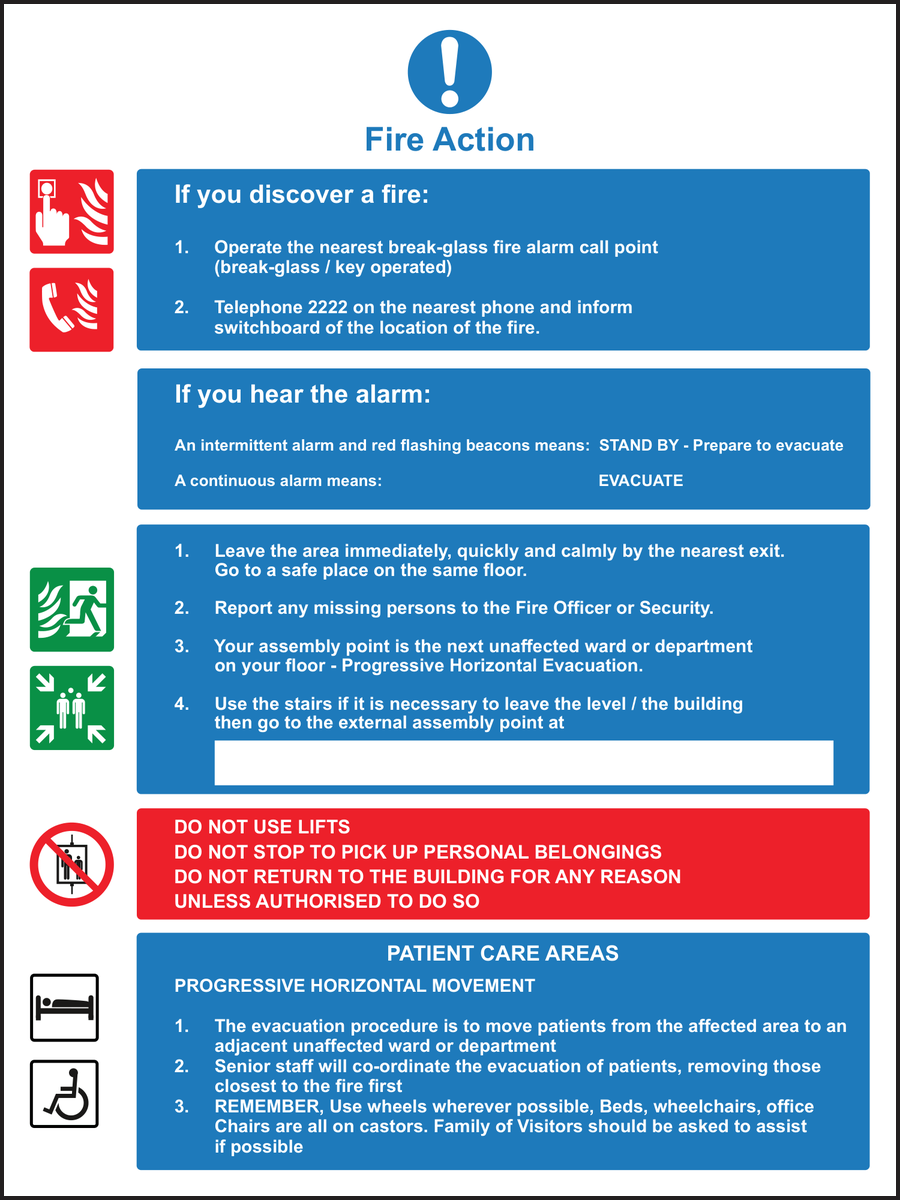
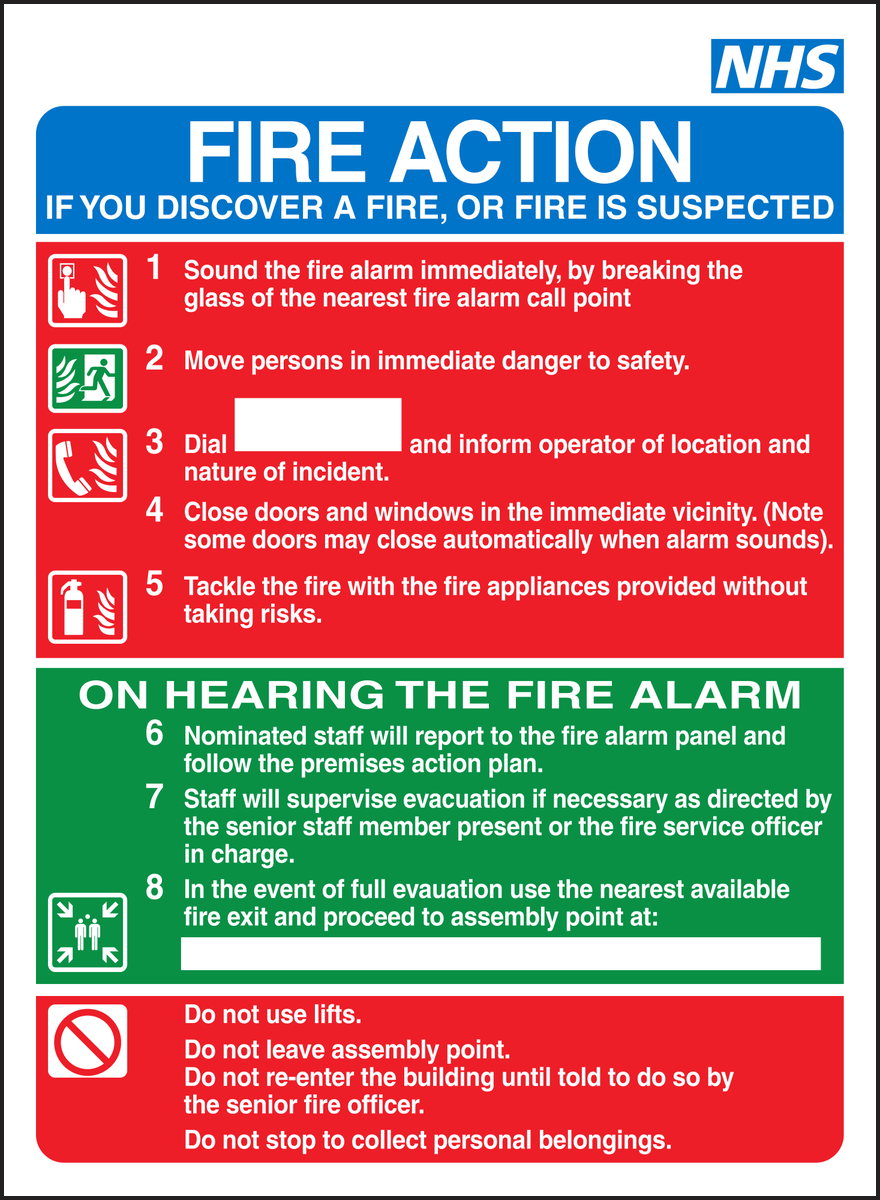
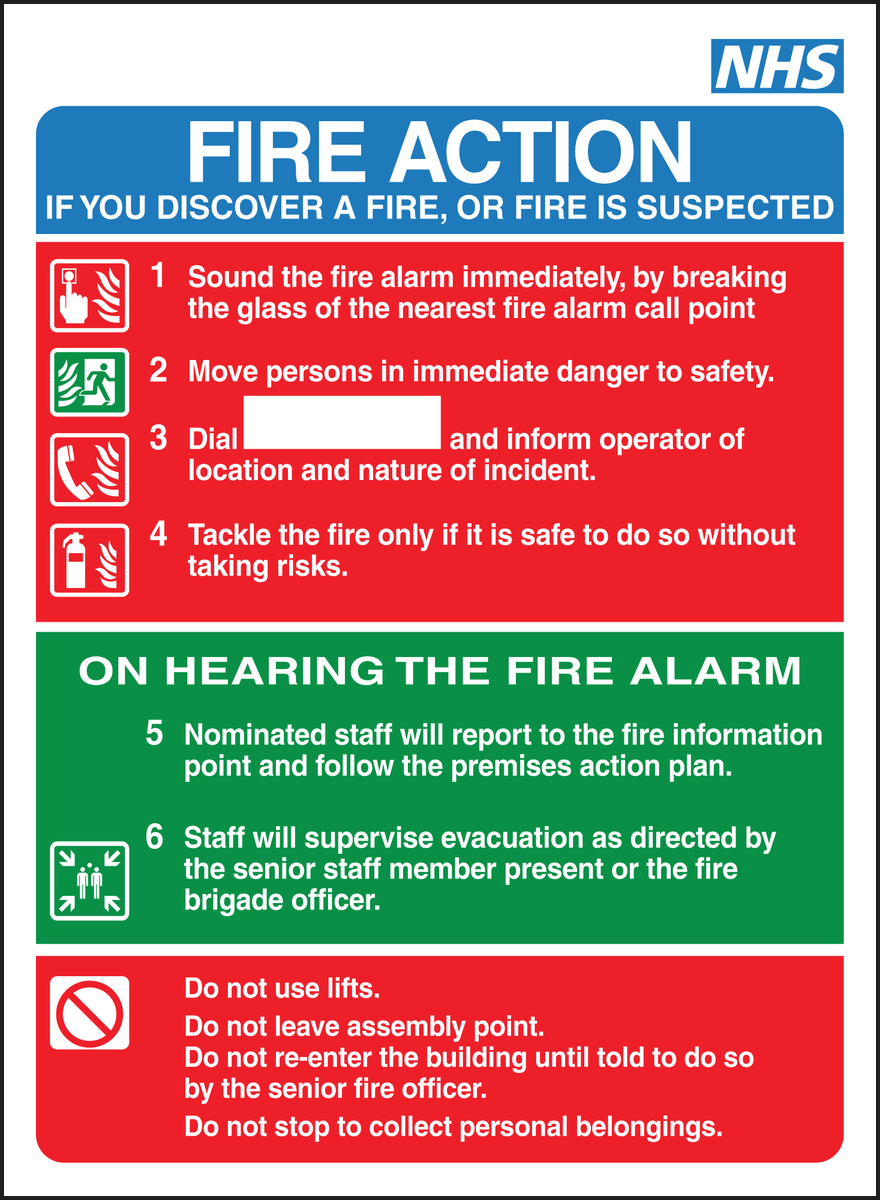
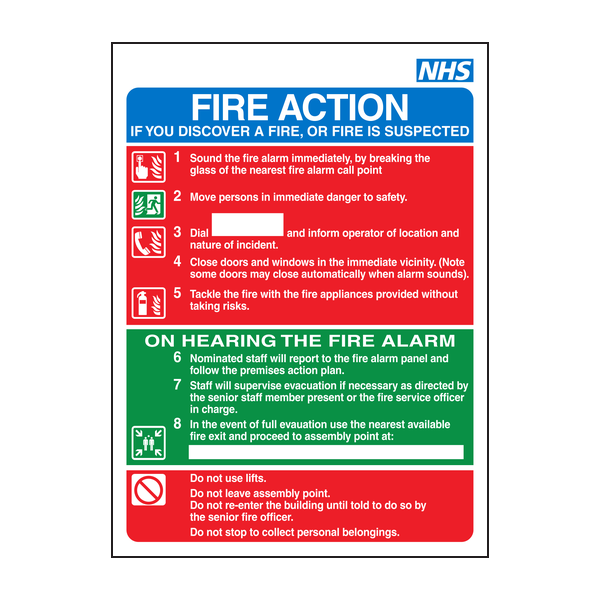
This NHS Fire Action Sign provides comprehensive step by step instructions for occupants and nominated staff to follow when a fire is discovered, suspected or the fire alarm is activated. The sign covers sounding the alarm, moving people in immediate danger to safety, reporting the incident, closing doors and windows, using firefighting equipment where safe, reporting to the fire alarm panel and coordinating evacuation in accordance with the premises action plan.
The wording If You Discover A Fire Or Fire Is Suspected reinforces that appropriate action should be taken whenever there are reasonable indications that a fire may have started. Occupants should not necessarily wait until visible flames are present before following the established emergency procedure.
The first instruction requires the fire alarm to be sounded immediately by breaking the glass of the nearest fire alarm call point. Promptly raising the alarm helps warn other occupants and allows the buildings fire emergency procedures to begin as quickly as possible.
Fire alarm call points should remain clearly visible and readily accessible and should not be obstructed by furniture, equipment, stock or stored materials. Where resettable call points are installed instead of traditional break glass units, the wording displayed should correspond with the actual equipment provided.
The second instruction requires persons in immediate danger to be moved to safety. This is particularly important in premises where some occupants may require assistance or where nominated members of staff have specific responsibilities for helping people away from an affected area.
Any assistance provided should follow the approved emergency procedures for the building. Staff should not enter areas affected by significant smoke or fire or place themselves at unnecessary risk while attempting to assist other occupants.
The third instruction provides a blank space for the appropriate telephone number and requires the caller to inform the operator of the location and nature of the incident. This allows the sign to be completed with the emergency or internal contact number specified within the premises fire action plan.
Providing accurate information about the location and nature of the incident can assist the operator and emergency response personnel. Where relevant, information may include the building, department, floor, room or other details that clearly identify the affected area.
The fourth instruction advises occupants to close doors and windows in the immediate vicinity. Closing doors can help restrict the movement of fire and smoke and maintain the protection provided by fire resisting compartments, provided this can be achieved safely and without delaying evacuation.
The sign also notes that some doors may close automatically when the fire alarm sounds. Buildings may use approved automatic door release systems connected to the fire alarm, allowing certain fire doors to close automatically when an alarm condition occurs.
Fire doors should not be obstructed or prevented from closing correctly. Any automatic hold open or release equipment should be maintained and tested as part of the premises fire safety arrangements.
The fifth instruction advises occupants to tackle the fire with the fire appliances provided without taking risks. Portable firefighting equipment should only be used where the person is capable of using it safely, the correct equipment is available, the fire is sufficiently small to tackle and a clear means of escape remains available.
Attempting to fight a fire should never delay evacuation or place the person or others in unnecessary danger. Where conditions are unsafe or the fire is developing, occupants should withdraw and follow the established evacuation procedure.
On hearing the fire alarm, nominated staff are instructed to report to the fire alarm panel and follow the premises action plan. The fire alarm panel can provide important information concerning the alarm condition and the area or zone from which an activation has been received, depending on the installed system.
Only appropriately trained or authorised staff should operate fire alarm panel controls beyond any actions specifically required by the emergency procedure. Alarm indications should not be reset or silenced in a way that could interfere with the emergency response unless authorised under the premises procedures.
The sign states that staff will supervise evacuation where necessary, as directed by the senior staff member present or the fire service officer in charge. This helps establish clear responsibility and supports an organised response during an emergency.
Where full evacuation is required, occupants are instructed to use the nearest available fire exit and proceed to the designated assembly point. The assembly point location should be completed accurately in the space provided before the sign is relied upon as part of the premises fire safety arrangements.
Fire exits, corridors, stairways and other designated escape routes should remain clear and accessible. Occupants should use the nearest safe available route and should not attempt to pass through areas affected by fire or smoke.
The instruction Do Not Use Lifts reminds occupants that ordinary passenger lifts should not normally be used during a fire emergency. Any arrangements involving designated evacuation lifts or firefighting lifts should be determined by the specific fire strategy and emergency plan for the building.
The instruction Do Not Leave Assembly Point helps support procedures for accounting for occupants following evacuation. Employees, visitors and contractors should remain at the designated location and follow instructions from responsible staff or the Fire and Rescue Service.
Occupants are also instructed not to re-enter the building until told to do so by the senior fire officer. Hazards may remain within the premises even when there are no obvious external signs of fire, and re-entry should only take place when authorised.
The instruction Do Not Stop To Collect Personal Belongings reinforces the importance of evacuating promptly. People should not delay their escape or return to offices, lockers, changing rooms or other areas to retrieve coats, bags, phones or other possessions.
This Fire Action Sign may be suitable for hospitals, healthcare facilities, care premises, educational establishments, larger workplaces, commercial buildings, industrial premises and other locations where nominated staff respond to a fire alarm panel and coordinate evacuation according to an established premises action plan.
The wording on this sign is building specific and should only be used where it accurately reflects the approved fire strategy and emergency procedures for the premises. The telephone number, fire alarm panel arrangements, nominated staff responsibilities, evacuation procedure and assembly point should all correspond with the actual arrangements in place.
Fire action signage should complement rather than replace a suitable fire risk assessment, documented emergency plan, staff fire safety training, evacuation drills, maintained fire detection and alarm systems, appropriate firefighting equipment, effective fire compartmentation and clearly maintained escape routes.
Manufactured from durable, high quality materials with excellent print clarity and visibility, this Fire Action Fire Alarm Panel And Evacuation Instructions Sign provides a professional and long lasting solution for communicating detailed emergency procedures and helping staff and occupants understand the actions required during a fire.
Materials available for this product

Self Adhesive Vinyl Sticker
- Description:
A self adhesive vinyl plus other stuff in here too
- Thickness:
- 95 micron
- Fixing Options:
- Self Adhesive

1mm Rigid
- Description:
1mm Rigid PVC plastic full descritption
- Thickness:
- 900 micron
- Fixing Options:
- Can be screwed or glued

3mm Foamex
- Description:
3mm Foamex Plastic full descrioption in here
- Thickness:
- 3mm
- Fixing Options:
- Can be screwed or glued

Heavy Duty double Sided
- Description:
- Heavy Duty double Sided
- Thickness:
- 3mm
- Fixing Options:
*indicates your currently selected material